What it is
Common warts are rough, raised skin growths that often appear on fingers, knuckles, and the backs of hands. They are caused by a virus in the human papillomavirus (HPV) family, and the types that usually cause hand warts are different from those associated with genital warts. They can look like small bumps with a rough or cauliflower-like surface, and some have tiny dark dots.
Warts can spread from one spot to another on the same person, especially where skin is broken, bitten, or picked at. They may also pass between people through close contact or shared surfaces. Many people get them at some point, and having one says nothing about your cleanliness.
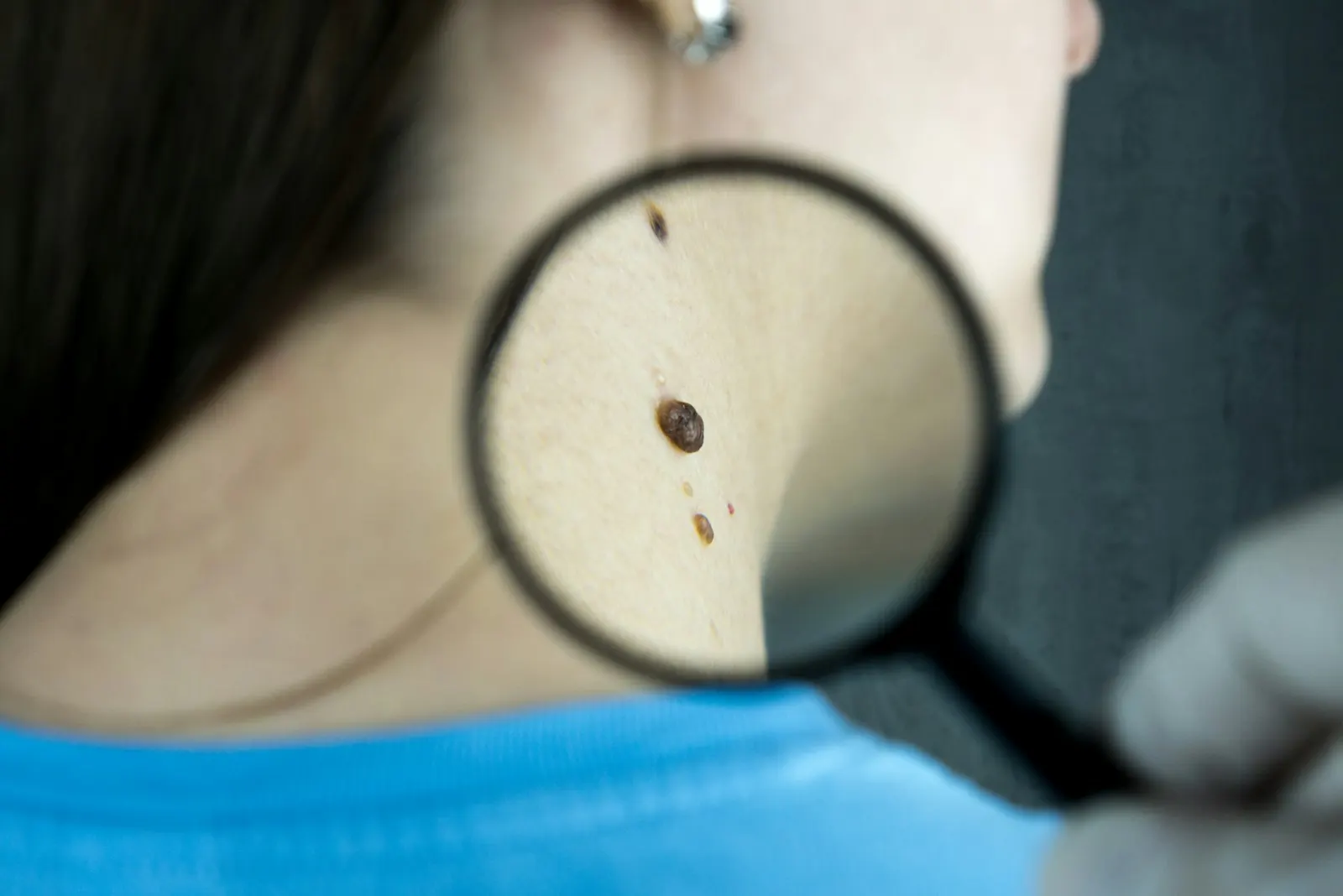
Because other skin growths can look similar to a wart, it is not always possible to tell by looking at it yourself. A growth that is changing, bleeding, itching, irregular in shape or color, or not healing should be checked by a dermatologist for skin cancer, and should not be self-treated. The ABCDEs of melanoma (asymmetry, border, color, diameter, evolving) are only a general guide, not a way to diagnose yourself.
How it’s traditionally been approached
Traditionally, many common warts have been watched over time, since some go away on their own and others stay or return. Whether to wait or to treat is a conversation to have with a licensed clinician, such as a dermatologist, podiatrist, or primary care provider.
In-office approaches have included freezing, applying prescribed topical medicines, minor procedures, and other methods a clinician may choose after an evaluation. Which option fits depends on the person, the location of the wart, and their overall health. Results vary, and warts can come back after any approach.
Over-the-counter options, such as salicylic acid products or freezing kits, are widely available and are used by many people. Follow the label carefully. People with diabetes, poor circulation, neuropathy, or a weakened immune system should ask a provider before treating warts at home. Cutting, burning, or digging out a growth at home is not advised, and the FDA-regulated status of any specific product is worth confirming with your provider.
How the right provider may help
A visit usually starts with a conversation about when you noticed the growth, whether it has changed, and any health conditions or medicines that matter. The clinician will look closely at the skin and may use a small magnifying tool. An exam is how a provider decides whether a growth is a wart or something that needs different attention.
If it is a wart, a provider may talk through whether to watch it, try an in-office option, or use a home option with guidance. This is a discussion of possibilities, not a promise of any outcome. The right provider may help you understand the tradeoffs, including discomfort, time, and the chance of recurrence.
Helpful questions to ask include: Is this definitely a wart? Do I need any testing or a skin check? What are my options and their risks? What should I avoid doing at home? How can I lower the chance of spreading it? When should I come back if it changes?

The whole-person view
Body, mind, and stress affect one another. Visible warts on the hands can feel embarrassing, and habits like nail biting or skin picking, which often increase with stress, may make it easier for warts to spread. Looking at the whole person, including sleep, stress, and overall health, can be part of caring for your skin.
If stress or tension in the body feels like part of the picture, body-based support such as Somatic Experiences may be one avenue some people explore. If worry, self-consciousness, or habits like picking weigh on you, talk therapy through Therapists.plus may also help. These are supportive options alongside, not instead of, an exam by a licensed clinician.
Somatic Experiences: nervous system regulation →Therapists.plus: anxiety panic and ocd →
Keep in mind
- Warts are common and usually harmless, but have any new or changing growth examined by a licensed clinician rather than assuming it is a wart.
- A growth that is changing, bleeding, itching, irregular in shape or color, or not healing should be checked by a dermatologist for skin cancer; do not self-treat it.
- No treatment is guaranteed to remove a wart or prevent it from returning, and results vary from person to person.
- If you have diabetes, poor circulation, neuropathy, or a weakened immune system, ask a provider before treating a wart at home. For emergencies call 911; in a crisis call or text 988.
Providers
We’re welcoming founding providers for common warts (hands & fingers) now. Get matched or list your practice.
Frequently asked questions
What is the best way to get rid of a wart on my finger?
There is no single best way, and no method is guaranteed to work. A licensed clinician can examine the growth, confirm it is a wart, and talk through options such as watching it, in-office wart removal, or carefully chosen over-the-counter products. Results vary and warts can return.
Is a wart on my hand contagious?
Yes, common warts can spread, because they are caused by a virus that passes through close contact or through small breaks in the skin. They can also spread to other spots on your own body. Keeping the area covered, not picking at it, and washing hands may help, and a provider can offer more tailored guidance.
Can I use over-the-counter wart removal products on my hands?
Many people use over-the-counter products on common hand warts, and the labels explain how to use them. If you have diabetes, poor circulation, neuropathy, or a weakened immune system, ask a provider first. Do not use these products on the face or genitals, and never cut, burn, or dig out a growth at home.
How do I know if it's a wart or skin cancer?
You cannot reliably tell by looking, so have a clinician check any uncertain growth. A spot that is changing, bleeding, itching, irregular in shape or color, or not healing should be seen by a dermatologist and not self-treated. The ABCDEs of melanoma are only a general guide, not a self-diagnosis tool.
Do common warts go away on their own?
Some warts go away without treatment, while others stay for a long time or return. It is hard to predict which will happen for any one person. A provider can help you decide whether to wait or to explore options.
Which doctor should I see for a wart on my finger or hand?
A dermatologist is a common choice, and a primary care provider or podiatrist may also evaluate warts. Seeing a dermatologist is especially important if the growth is changing, bleeding, or not healing. You can find licensed providers through Providers.plus.
Educational resource. Warts.ai shares general information and connects people with independent providers. It is not medical advice, diagnosis or treatment. Talk with a licensed professional about your health.