What it is
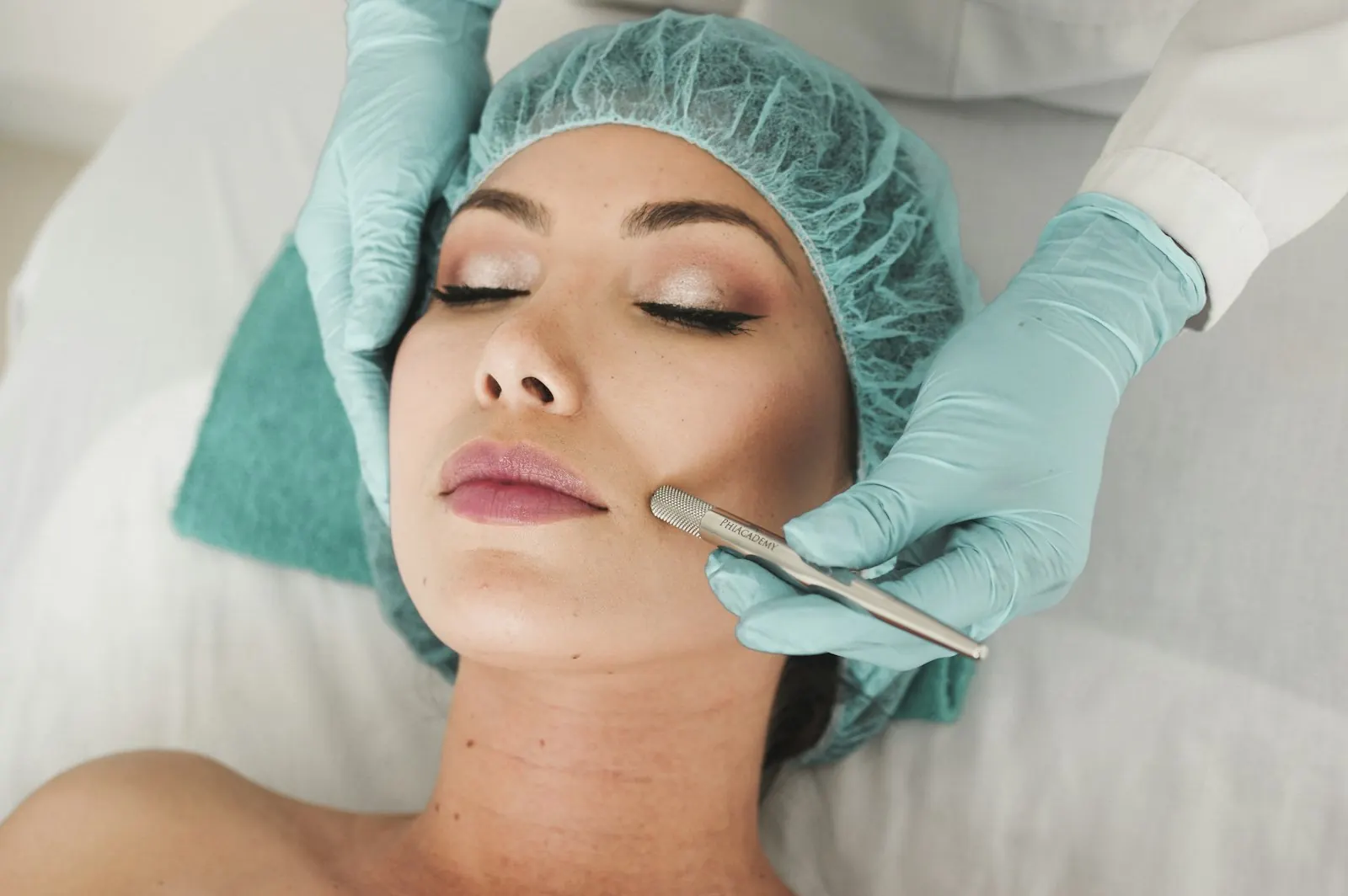
Excision and surgical removal is a group of in-office approaches in which a clinician physically removes a skin growth. It includes shave or snip excision, where the growth is trimmed off at or near the skin's surface. It also includes curettage and electrodesiccation, where a growth is scraped and the area is treated with a small electrical device. Biopsy with removal means a sample or the whole growth is taken so it can be looked at under a microscope.
These procedures are usually done by dermatologists, podiatrists, or other licensed clinicians. Local numbing is commonly part of the visit, though what is used is up to the clinician. Different growths and different parts of the body call for different approaches, and a clinician decides which one, if any, is appropriate.
People often search for phrases like cutting off a wart or mole removal. These growths can look alike, and it is hard to tell them apart by sight alone. That is one reason an exam matters. Please do not cut, burn, or dig out a growth at home.
How it’s traditionally been approached
Surgical approaches have long been one of several options in dermatology and podiatry for skin growths. Other traditional options include over-the-counter products, freezing, and prescription topical treatments. Each has its place, and none is right for everyone.
A clinician may consider a surgical approach when a growth is stubborn, painful, in a tricky spot, or when it is unclear what the growth actually is. Sending removed tissue to a lab is a traditional way to learn more about it.
Results vary from person to person. Warts can return after any approach, and removal of a growth does not mean HPV, the virus associated with warts, has been cleared. Healing, scarring, and aftercare also differ depending on the location and method.
How the right provider may help
The right provider may help by first looking at the growth and asking about your history, including how long it has been there and whether it has changed. They may explain what they think it is, whether it should be sampled, and which options could be considered. A visit generally includes time for questions, and you can ask to pause or talk things over.
It can help to bring a few questions. You might ask: What do you think this growth is, and how do you know? Would you recommend a lab check of the tissue? What are the options for this spot, and what are the trade-offs? What should healing look like, and what signs should prompt me to call you? What is the chance of scarring or of it coming back?
If you feel embarrassed, you are not alone, and clinicians see skin concerns every day. This is especially true for growths in private areas, which are a normal thing to bring to a sexual-health provider, dermatologist, or primary care clinician. Partners are welcome to talk with a provider too, without blame or shame.

The whole-person view
Body, mind, and stress affect one another. Worry about a visible growth, an upcoming procedure, or what others might think can show up as tension, poor sleep, or avoidance. Many people find that caring for the whole person, not just the skin, makes the process feel more manageable.
Some people explore body-based support such as Somatic Experiences to build comfort with physical sensations around procedures and stress. Others find talk therapy through Therapists.plus helpful for health-related anxiety or self-consciousness. These are optional supports that sit alongside, and never replace, care from a licensed clinician.
Somatic Experiences: nervous system regulation →Therapists.plus: anxiety panic and ocd →
Keep in mind
- Any growth that is changing, bleeding, itching, irregular in shape or color, or not healing should be checked by a dermatologist for skin cancer, and should not be self-treated. The ABCDEs of melanoma (asymmetry, border, color, diameter, evolving) are only a general guide and not a way to diagnose yourself.
- Only a licensed clinician can decide whether a procedure is appropriate after an exam. Warts.ai is educational and does not give medical advice, diagnose, or recommend a treatment for you.
- People with diabetes, poor circulation, neuropathy, or a weakened immune system should ask a provider before treating any wart, especially on the feet. Facial and genital warts should not be treated with over-the-counter wart products. HPV vaccination exists, so ask a clinician whether it is right for you.
- For emergencies, such as heavy bleeding that will not stop, call 911. If you are in emotional crisis, call or text 988.
Providers
We’re welcoming founding providers for excision & surgical removal now. Get matched or list your practice.
Frequently asked questions
What is surgical wart removal?
Surgical wart removal is when a licensed clinician takes off a wart in the office, for example by trimming it, scraping it, or using a small electrical device. Which method is used, if any, is decided after an exam. Results vary, and warts can return.
Is cutting off a wart at home safe?
No, cutting, burning, or digging out a growth at home is not recommended. It can cause bleeding, infection, or scarring, and it may hide a growth that should be examined. A dermatologist, podiatrist, or primary care clinician can look at it safely.
What is curettage and electrodesiccation?
Curettage and electrodesiccation is a procedure in which a clinician scrapes a growth and then uses a small electrical device on the area. It is one of several in-office approaches. A clinician decides whether it suits a particular growth.
Why would a clinician send a removed growth to a lab?
A clinician may send tissue to a lab, called a biopsy, to learn more about what the growth is. This is a traditional way to tell a wart from other skin growths. Ask your provider whether it makes sense for you.
Can a mole be removed like a wart?
A mole is not a wart, and the two should not be assumed to be handled the same way. A clinician should examine any mole first, especially one that is changing, bleeding, itching, irregular, or not healing. Please see a dermatologist rather than trying to remove it yourself.
Will a wart come back after surgical removal?
It may. Warts can return after any approach, and no treatment can be promised to prevent that. Ask your clinician what to expect and what signs to watch for during healing.
Educational resource. Warts.ai shares general information and connects people with independent providers. It is not medical advice, diagnosis or treatment. Talk with a licensed professional about your health.