What it is
A seborrheic keratosis (sometimes called a "barnacle of aging" or a brown waxy growth) is a non-cancerous skin growth. It often appears as a raised, rough or waxy patch that can look like it was pressed onto the skin. Colors range from light tan to dark brown or black.
These growths are not warts and are not caused by the virus that causes warts, though the two can look alike. They are not contagious. People often notice them on the chest, back, face, scalp or other areas, and some people have just one while others have several.
Because they can resemble warts, moles and, occasionally, skin cancers, it is hard to know by sight alone what a growth is. Only a licensed clinician can tell after an exam. Please do not try to figure it out on your own or treat it yourself.
How it’s traditionally been approached
Many seborrheic keratoses are simply left alone, because they are generally harmless. A clinician who recognizes one may explain what it is and note that no treatment is medically needed.
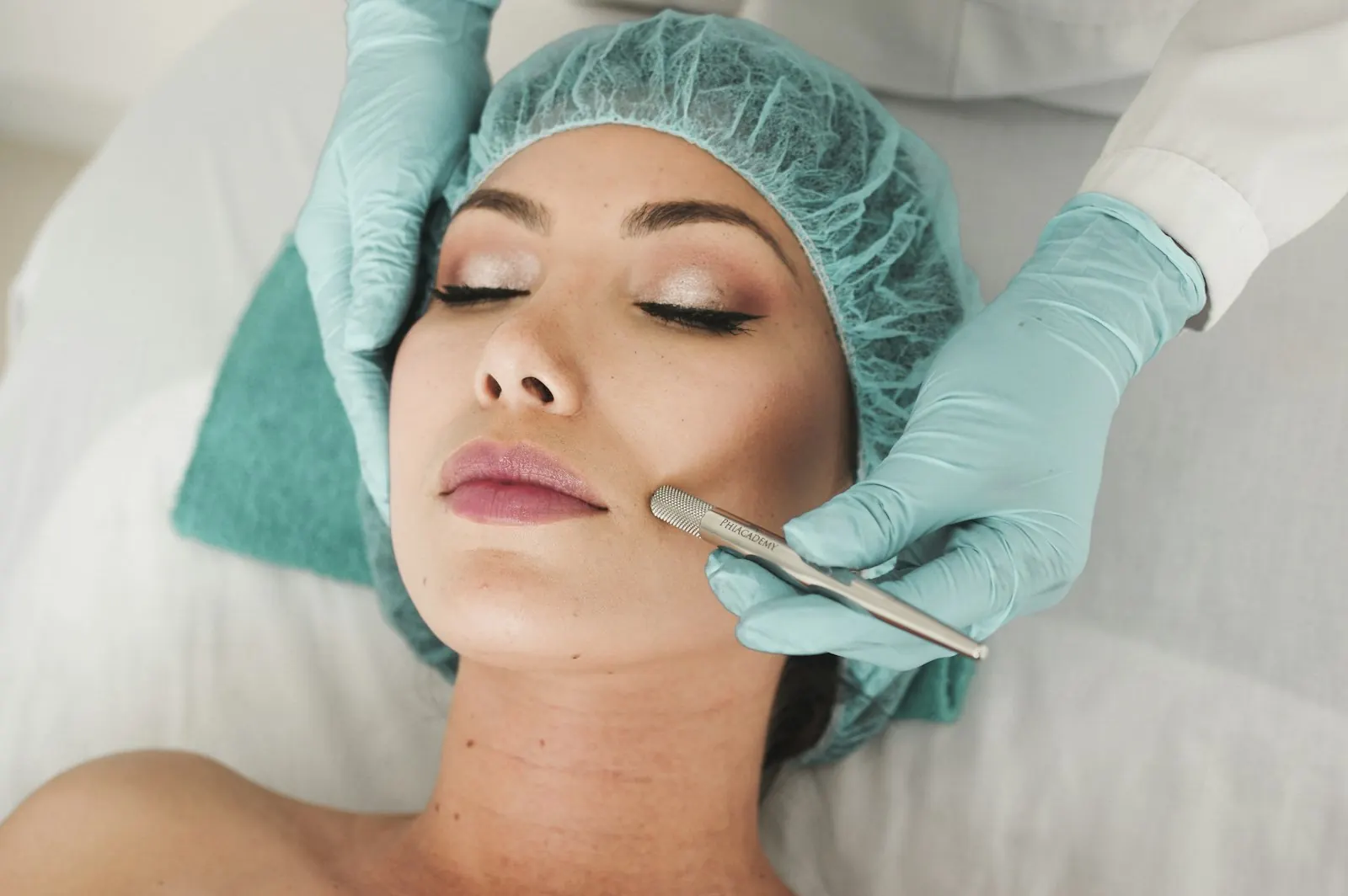
When a growth is irritated by clothing or jewelry, catches on things, itches, or bothers someone cosmetically, people sometimes choose removal. Traditionally, clinicians have used in-office approaches such as freezing, scraping or other minor procedures. Which option is appropriate, if any, is decided by a licensed clinician after an evaluation.
When a growth looks unusual, a clinician may take a small sample (a biopsy) and have it examined in a lab. This is a traditional way to be sure what a growth really is. Results vary, and new growths can appear over time, including after removal. Cosmetic removal is often not covered by insurance, so it is reasonable to ask the office about this ahead of time.
How the right provider may help
The right provider, such as a dermatologist, may be able to look closely at a growth, often with a handheld magnifying tool, and talk with you about whether it appears to be a seborrheic keratosis or something that needs a closer look. A primary care clinician can also be a good first stop and may refer you onward.
A visit generally involves sharing your history, when you first noticed the spot, and whether it has changed. Helpful questions to ask include: What do you think this growth is? Does it need to be tested? What are my options, including leaving it alone? What might healing look like, and could a mark or color change remain? Could it come back or could new ones appear?
Please never cut, burn, pick or dig out a growth at home. It can cause bleeding, infection or scarring, and it can make a proper evaluation harder. Over-the-counter wart products are not designed for these growths, and people with diabetes, poor circulation, neuropathy or a weakened immune system should ask a provider before treating any skin growth at home.

The whole-person view
Body, mind and stress affect each other. A visible skin growth can bring self-consciousness, worry about what it might be, or frustration with changes in how our skin looks as we age. That worry can show up in sleep, tension and mood, and those in turn can make everything feel heavier.
Some people find that body-based support, such as the approaches offered through Somatic Experiences, helps them feel more at ease in their skin. Others prefer to talk through health anxiety or body-image concerns with a counselor, such as those listed at Therapists.plus. These are optional supports that sit alongside, not in place of, a proper skin exam.
Somatic Experiences: nervous system regulation →Therapists.plus: anxiety panic and ocd →
Keep in mind
- Warts.ai is educational only and does not give medical advice, diagnose anything or tell you which treatment you need; see a licensed clinician such as a dermatologist, podiatrist or primary care provider for an exam.
- A growth that is changing, bleeding, itching, irregular in shape or color, or not healing should be checked by a dermatologist for skin cancer, and should not be self-treated. The ABCDEs of melanoma are only a general guide, not a way to diagnose yourself.
- No treatment is guaranteed to work, results vary, and growths can return or new ones can appear. Facial and genital growths should not be treated with over-the-counter wart products.
- If you feel overwhelmed by worry, call or text the 988 Lifeline in a crisis; for emergencies, call 911.
Providers
We’re welcoming founding providers for seborrheic keratosis now. Get matched or list your practice.
Frequently asked questions
What is seborrheic keratosis?
Seborrheic keratosis is a common, non-cancerous skin growth that is often brown, tan or black and can look waxy, rough or "stuck on." It is not contagious and is not a wart. A licensed clinician is the right person to confirm what a growth is.
Is seborrheic keratosis the same as a wart?
No, a seborrheic keratosis is not a wart, although the two can look similar. Warts are linked to a virus, while these growths are not contagious. Because they can resemble each other, it is best to have a clinician examine the spot rather than guessing.
What is seborrheic keratosis removal?
Seborrheic keratosis removal is a minor in-office procedure a clinician may offer when a growth is irritated or bothersome, or for cosmetic reasons. Which method is appropriate is decided after an exam, and results vary. Growths can return or new ones can appear.
Why are they called barnacles of aging?
They are nicknamed "barnacles of aging" because they look like small, stuck-on bumps and often become more noticeable as people get older. The nickname is informal, and they are not a sign that something is wrong. Any growth that changes should still be checked.
When should a brown waxy growth be biopsied?
A clinician may recommend a biopsy when a growth looks unusual or is hard to identify by eye. A biopsy involves taking a small sample for lab examination. Growths that are changing, bleeding, itching, irregular or not healing should be checked by a dermatologist.
Can I remove a seborrheic keratosis at home?
It is not recommended to cut, burn, pick or dig out a growth at home, because of risks like bleeding, infection and scarring, and because you might miss a more serious condition. Over-the-counter wart products are not made for these growths. Ask a licensed clinician about your options.
Educational resource. Warts.ai shares general information and connects people with independent providers. It is not medical advice, diagnosis or treatment. Talk with a licensed professional about your health.