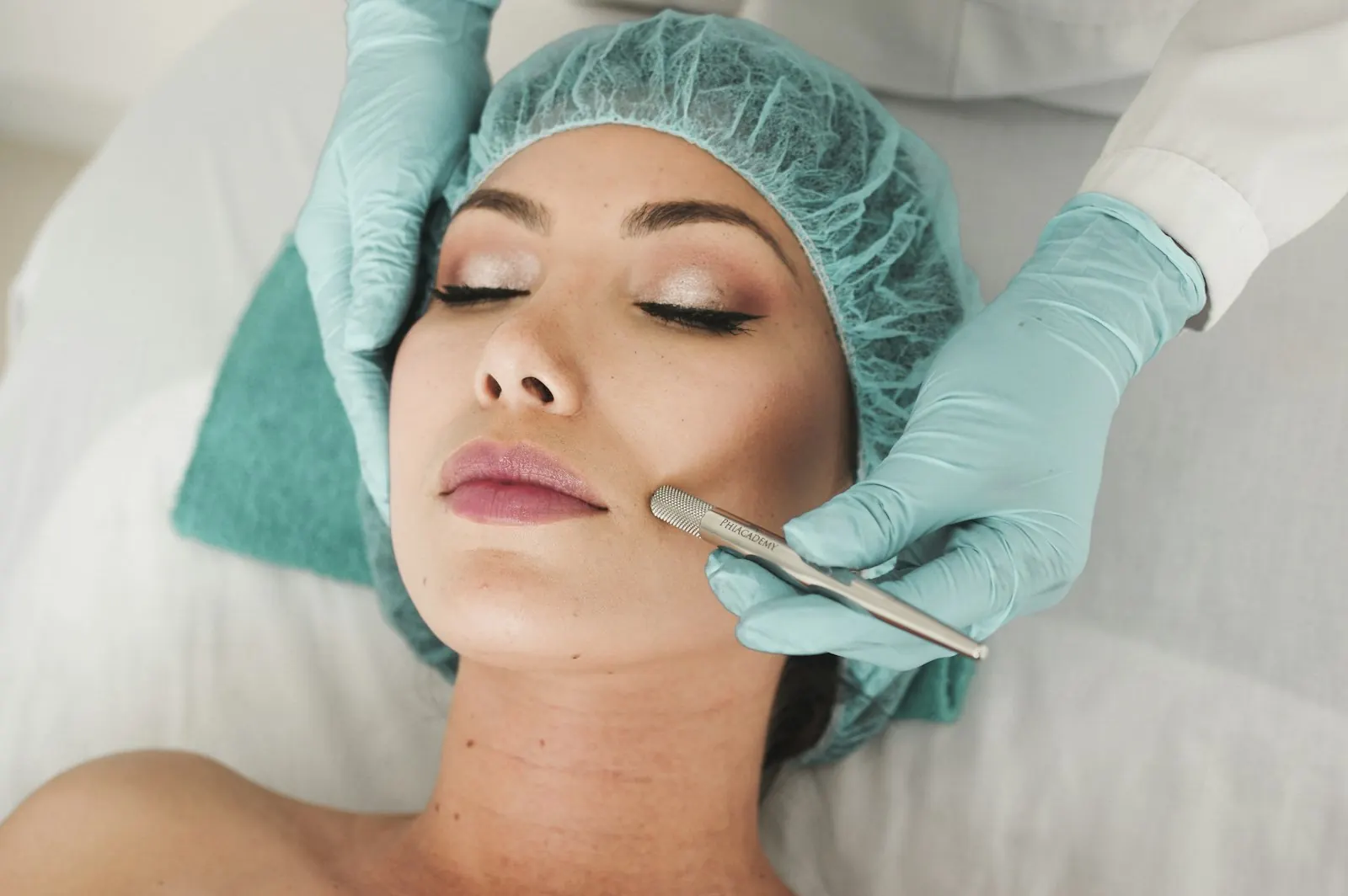
What it is
Flat warts are skin growths linked to human papillomavirus (HPV). They tend to be smaller and smoother than other warts, with a flat top, and they can look skin-colored, pinkish, or slightly brown. People often notice several at once.
They are most often seen on the face, the backs of the hands, and the legs. Because they can resemble other skin conditions, they are easy to mistake for something else, which is one reason an exam matters.
Flat warts are generally not a sign of poor hygiene or anything you did wrong. The virus behind them is very common, and many people encounter it at some point. Warts can spread to nearby skin, and they can return after they clear.
How it’s traditionally been approached
Traditionally, flat warts have been approached in a few ways, and some people simply watch them with a clinician's guidance, since warts sometimes go away on their own over time. Whether that is reasonable depends on the person and the spot.
Clinicians have also used in-office approaches such as freezing (cryotherapy), prescription topical products, or minor procedures, including surgical removal in certain situations. Which option is appropriate is decided only by a licensed clinician after an evaluation. Results vary, and warts can come back.
Over-the-counter wart products exist and are sold for common warts on hands and feet. Facial and genital warts should not be treated with over-the-counter wart products, because skin in those areas is more delicate. People with diabetes, poor circulation, neuropathy or a weakened immune system should ask a provider before treating any wart at home, especially on the feet. Cutting, burning or digging out a growth at home is never advised.
How the right provider may help
The right provider, such as a dermatologist, podiatrist or primary care clinician, may help by first looking closely at the spot to confirm what it is. That step matters because some growths that look like warts are something else, including skin cancer, and only an exam can sort that out.
A visit is generally a calm, matter-of-fact conversation. The clinician may ask how long the spots have been there, whether they have changed, and whether you have other health conditions. They may talk through options, including waiting, and explain what each might involve.
Helpful questions to ask: What do you think this is? Do these need treatment, or can they be watched? What are the options for my skin, especially on my face? What are the risks and the chance of marks or color changes? What if they return? Is there a vaccination or prevention topic I should discuss with you? You can also ask about the current regulatory status of any prescription product they mention.

The whole-person view
Body, mind and stress affect one another. Visible skin changes can bring self-consciousness or worry, and stress and sleep can influence how we feel about our health in general. Being gentle with yourself is part of caring for your skin.
If body tension or stress feels heavy, some people explore body-based support such as Somatic Experiences. Others find talk therapy helpful for worries about appearance, and Therapists.plus is one place to find it. These are complements to, not replacements for, a clinician's exam.
Somatic Experiences: nervous system regulation →Therapists.plus: anxiety panic and ocd →
Keep in mind
- A growth that is changing, bleeding, itching, irregular in shape or color, or not healing should be checked by a dermatologist for skin cancer; do not self-treat it. The ABCDEs of melanoma are only a general guide, not a way to diagnose yourself.
- Only a licensed clinician can diagnose a spot and decide what is appropriate for you; Warts.ai is educational and not medical advice.
- No approach is guaranteed to remove warts or prevent them from returning, and results vary from person to person.
- For emergencies call 911; in a crisis call or text 988.
Not sure where to start? Answer a few gentle questions and choose who you’d like to hear from.
Frequently asked questions
What are flat warts?
Flat warts are small, smooth, slightly raised skin growths caused by HPV that often appear in clusters on the face, hands or legs. They are common and not a reflection of your hygiene. A licensed clinician can confirm whether a spot is a wart.
Are flat warts contagious?
Yes, the virus that causes warts can spread through skin contact or shared surfaces, and warts can spread to other areas of your own skin. Not everyone exposed develops warts. A clinician can explain ways to lower the chance of spreading them.
Can flat warts go away on their own?
Sometimes warts fade without treatment, but how long that takes varies widely and cannot be predicted. A clinician can help you decide whether watching and waiting makes sense for you.
Can I use over-the-counter wart remover on flat warts?
Facial warts should not be treated with over-the-counter wart products, and the same goes for genital warts. Elsewhere, ask a provider first, especially if you have diabetes, poor circulation, neuropathy or a weakened immune system. Never cut, burn or dig out a growth at home.
How do providers approach flat wart removal?
Wart removal for flat warts is decided by a licensed clinician after an exam. Approaches traditionally include watching, freezing, prescription topicals, or minor procedures. Results vary, and warts can return.
Could a flat wart actually be skin cancer?
Some growths that look like warts are something else, so it is possible. Any spot that is changing, bleeding, itching, irregular in shape or color, or not healing should be checked by a dermatologist rather than self-treated.
Educational resource. Warts.ai shares general information and connects people with independent providers. It is not medical advice, diagnosis or treatment. Talk with a licensed professional about your health.