What it is
The ABCDEs of melanoma are a simple checklist that dermatology groups and clinicians have long shared to help people notice changes in their skin. Each letter stands for a feature that may be worth mentioning to a provider: Asymmetry (the two halves don't match), Border (edges that look uneven or blurry), Color (more than one shade, or uneven color), Diameter (size) and Evolving (any change over time).
The checklist is a general guide only. It is not a self-diagnosis tool. Many harmless moles have one or more of these features, and some skin cancers don't follow the pattern at all. That is why the guide can raise a question, but it can't answer it.
Melanoma is a type of skin cancer, which is a serious condition that licensed professionals should guide. If you're unsure about a spot, a mole or something you thought was a 'wart', the kind and reassuring step is to have a clinician look at it. Many people feel nervous or embarrassed about asking, and clinicians see these questions every day.
How it’s traditionally been approached
Traditionally, skin checks have combined two things: looking at your own skin from time to time and visiting a licensed clinician for an exam. Self-awareness helps you notice what is new or different for you, while a trained eye can look at a spot in ways most people can't.
Clinicians such as dermatologists often use good lighting and a magnifying tool to look closely at moles and other growths. Depending on what they see, they may suggest keeping an eye on a spot, taking photos to compare over time, or sampling or removing it for lab review. What is appropriate is decided by the clinician after an evaluation.
Some people also have a full-body skin check, especially if they have many moles, a history of sun damage or a family history of skin cancer. Whether and how often that makes sense is a good question for your own provider.
How the right provider may help
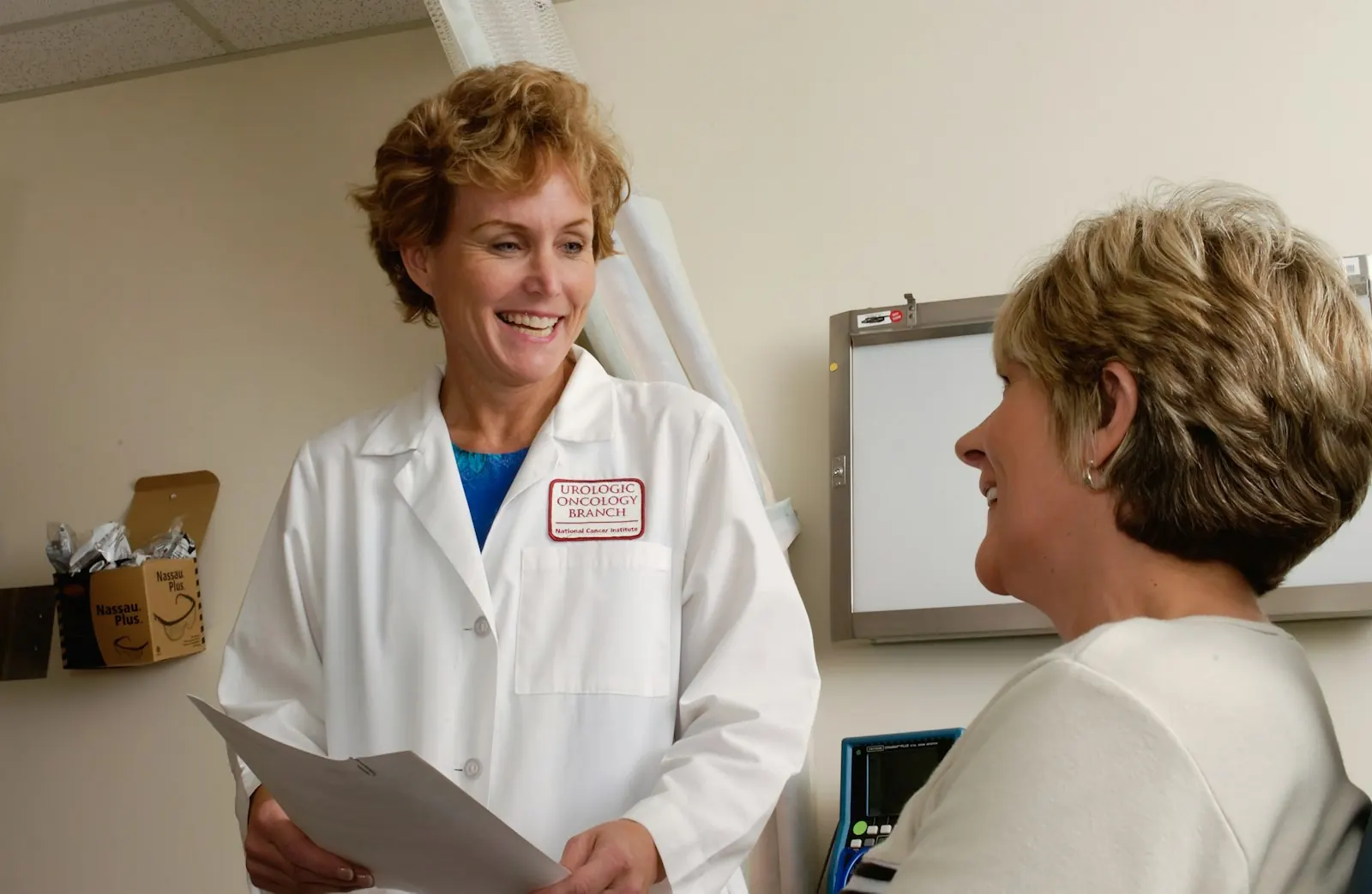
The right provider, such as a dermatologist, may help by examining a spot you're worried about, explaining what they see in plain language, and telling you whether it needs follow-up. A visit generally starts with a short conversation about your skin, then a visual exam. You can usually keep your underwear on for a spot-focused visit, and you can ask for a chaperone if you'd like one.
It can help to point out anything that has changed, bleeding, itching, not healing or looking different in shape or color, and to say how long you've noticed it. Photos taken over time can be useful to show. Please don't cut, burn, scrape or dig out a mole or growth at home, and don't use over-the-counter wart products on a spot that hasn't been checked.
Questions you might ask include: What do you see when you look at this spot? Does it need to be sampled or watched? How often should I have my skin checked? How can I check my own skin between visits? Results and next steps vary from person to person, and your provider can explain what applies to you.

The whole-person view
Body, mind and stress affect each other. Worry about a spot can lead some people to avoid looking at it, while others check it constantly. Either pattern is very human, and a calm, factual visit with a clinician can sometimes ease the uncertainty.
If waiting for an appointment or results feels stressful, support may help. Somatic Experiences lists practitioners who offer body-based support for stress, and Therapists.plus can connect you with talk therapy. These do not replace a skin exam, but they may help you feel steadier while you take care of your health.
Somatic Experiences: nervous system regulation →Therapists.plus: anxiety panic and ocd →
Keep in mind
- Any growth that is changing, bleeding, itching, irregular in shape or color, or not healing should be checked by a dermatologist for skin cancer, and should not be self-treated.
- The ABCDEs are a general guide, not a diagnosis; only a licensed clinician can tell you what a spot is after an exam.
- Licensed professionals should guide care for melanoma and other skin cancers. Warts.ai is educational only and is not medical advice.
- For an emergency, call 911. If you're in emotional crisis, call or text 988.
Not sure where to start? Answer a few gentle questions and choose who you’d like to hear from.
Keep exploring
Moles, actinic keratosis & skin cancer checks
Frequently asked questions
What are the ABCDEs of melanoma?
The ABCDEs of melanoma are a memory aid for changes to notice in a mole or spot: Asymmetry, Border, Color, Diameter and Evolving. They are a general guide, not a way to diagnose yourself. A dermatologist or other licensed clinician can examine any spot that concerns you.
Can I use the ABCDEs to tell if a mole is cancer?
No, the ABCDEs cannot tell you whether a mole is cancer. Harmless moles can show some of these features, and some skin cancers don't show them. Only a licensed clinician can evaluate a spot, so have it checked if you're unsure.
What does 'Evolving' mean in the ABCDEs?
Evolving means a spot is changing over time, such as in size, shape, color or how it feels. Bleeding, itching or a spot that is not healing are also worth mentioning. A dermatologist can check any of these changes for skin cancer.
Should I see a doctor for a mole that looks different?
Yes, a mole or growth that looks different or is changing should be checked by a dermatologist or other licensed clinician. Earlier is generally better than waiting. Please don't try to remove it or treat it at home.
Could a spot I think is a wart actually be something else?
Yes, it's possible, because several kinds of skin growths can look alike to the untrained eye. A growth that is changing, bleeding, itching, irregular or not healing should be checked by a dermatologist for skin cancer before you try any home product. A clinician can tell you what it is.
Who can check my moles for skin cancer?
A dermatologist is the clinician most often associated with skin checks, and some primary care providers also look at skin concerns. You can search Providers.plus for licensed providers who offer moles and skin cancer screening. Ask the office what to expect before your visit.
Educational resource. Warts.ai shares general information and connects people with independent providers. It is not medical advice, diagnosis or treatment. Talk with a licensed professional about your health.