What it is
Skin cancer screening is an examination of the skin, often called a skin check or full-body skin exam. A clinician looks at the skin on the scalp, face, torso, arms, legs, hands, feet and other areas, noting moles, freckles, rough patches and growths.
The goal is to notice anything that looks unusual so it can be watched or looked at more closely. A screening is not a diagnosis by itself. If something looks uncertain, a clinician may recommend further steps, which they decide after an evaluation.
Many different spots can appear on skin, including ordinary moles, sun-related rough patches, skin tags and growths people sometimes call warts. Because these can look alike to the untrained eye, it is not possible to tell them apart reliably at home.
How it’s traditionally been approached
Skin checks have traditionally been done by looking closely at the skin in good lighting, sometimes with a handheld magnifying device called a dermatoscope. The clinician may also ask about your skin history, sun exposure and any spots you have noticed changing.
People have also been encouraged to become familiar with their own skin and to notice changes between visits. The ABCDEs of melanoma (asymmetry, border, color, diameter, evolving) are often shared as a general guide for what to mention to a clinician. They are not a tool for diagnosing yourself.
If a clinician wants to look further at a spot, a small sample may be taken and examined in a laboratory. Who needs a skin check, and how often, is a decision best made with a licensed provider based on your personal situation.
How the right provider may help
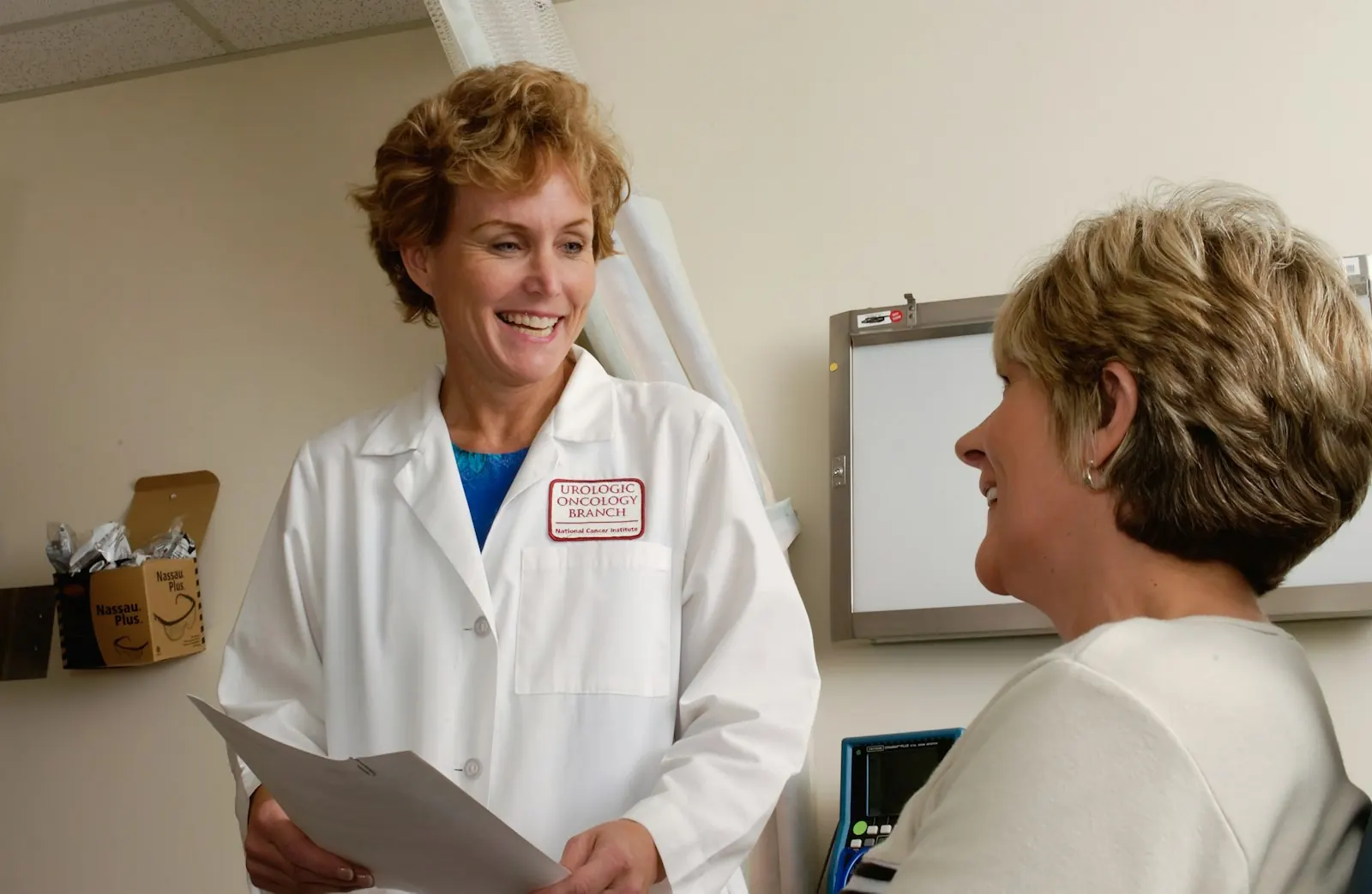
The right provider, such as a dermatologist, may help by examining your skin carefully, answering questions and explaining what they see in plain language. A visit generally involves a conversation about your history, a look at your skin, and a discussion of any next steps. Outcomes vary from person to person.
It can help to point out spots that worry you before the exam begins, especially any growth that is changing, bleeding, itching, irregular in shape or color, or not healing. Those should be checked by a dermatologist for skin cancer and should not be self-treated. Do not cut, burn or dig at a growth at home.
Questions you might ask: What do you see on my skin? Is anything worth watching, and how would I track it? Do I have areas that are hard to see myself? How often should I be checked given my history? What should I do if I notice a change between visits? You can also ask about sun-protection habits that fit your life.

The whole-person view
Body, mind and stress affect each other. Worry about a spot can be hard to carry, and avoiding an appointment out of nervousness is very human. Taking a calm, practical step like scheduling a check can sometimes ease that load, though it does not replace professional care.
If health anxiety or stress is weighing on you, body-based support such as Somatic Experiences may help some people feel more settled in their bodies, and talk therapy through Therapists.plus may help with worry and coping. These are complementary options and do not replace an exam by a licensed clinician.
Somatic Experiences: nervous system regulation →Therapists.plus: anxiety panic and ocd →
Keep in mind
- A spot that is changing, bleeding, itching, irregular in shape or color, or not healing should be checked by a dermatologist for skin cancer, not self-treated.
- Only a licensed clinician can evaluate a skin spot, and licensed professionals should guide any care decisions that follow.
- Home checks and the ABCDEs are general guides to help you decide when to see a provider, not a way to diagnose yourself.
- For emergencies call 911; in a crisis call or text 988. Providers.plus lists licensed providers if you would like help finding one.
Not sure where to start? Answer a few gentle questions and choose who you’d like to hear from.
Keep exploring
Moles, actinic keratosis & skin cancer checks
Frequently asked questions
What is skin cancer screening?
Skin cancer screening is a visual exam of your skin by a licensed clinician to look for moles or spots that may need closer attention. It is not a diagnosis on its own. Your provider decides any next steps after an evaluation.
Who performs a skin cancer screening?
A dermatologist is the provider most often associated with skin cancer screening. Primary care clinicians may also look at skin concerns and can refer you if needed. Ask the provider about their experience with skin checks.
What happens during a skin check?
A skin check usually involves a conversation about your history and a careful look at the skin on much of your body, sometimes with a magnifying device. You can point out any spots that concern you. The clinician will explain what they see and whether anything needs follow-up.
Does a skin check hurt?
A visual skin check is generally not painful. If a clinician decides a spot needs further testing, they will explain what that involves beforehand. You can ask any questions before agreeing to a next step.
Can I check my own skin at home?
Yes, getting familiar with your skin can help you notice changes to mention to a clinician. The ABCDEs of melanoma are a general guide only, not a self-diagnosis tool. Any spot that is changing, bleeding, itching, irregular or not healing should be checked by a dermatologist.
Should I try to remove a suspicious spot or wart myself?
No, a changing or unusual growth should not be self-treated, cut, burned or dug out at home. It could be something other than a wart, and only a licensed clinician can tell. Have it examined by a dermatologist first, especially before any wart removal attempt.
Educational resource. Warts.ai shares general information and connects people with independent providers. It is not medical advice, diagnosis or treatment. Talk with a licensed professional about your health.