What it is
Short answer: a wart is a skin growth linked to a virus, a mole is a cluster of pigment cells, and actinic keratosis is a rough, scaly patch that often shows up on skin with long-term sun exposure. They can look alike to the untrained eye, which is why a clinician's exam matters.
Actinic keratosis is commonly described as a dry, rough or sandpapery spot, often on areas that get a lot of sun, such as the face, ears, scalp, hands and forearms. Clinicians pay attention to these patches because some skin changes related to sun exposure may need monitoring or care. Only a licensed provider can tell you what a given spot is.
Moles are very common, and most people have several. A mole that changes, or a new spot that looks different from your others, is a good reason for an exam. The ABCDEs of melanoma (asymmetry, border, color, diameter, evolving) are a general awareness guide that dermatologists use to talk about moles. They are not a tool for diagnosing yourself.
How it’s traditionally been approached
Skin checks have traditionally been done by a dermatologist or another licensed clinician, who looks closely at the skin, often with a handheld magnifying device. Some people have a full body skin exam, where the skin from head to toe is reviewed, and others have a single spot looked at.
If a spot looks unusual, clinicians have traditionally taken a small sample (a biopsy) to be examined in a lab. This is how many skin growths are identified with more certainty than appearance alone can offer. Which approach fits depends on the clinician's judgment.
Rough sun-damaged patches and warts have each been approached in different ways over the years, and the choice depends on the exam. Because they can look similar, treating a spot as a wart at home without knowing what it is may delay getting a proper look. Results vary, and some skin conditions can return or new ones can appear.
How the right provider may help
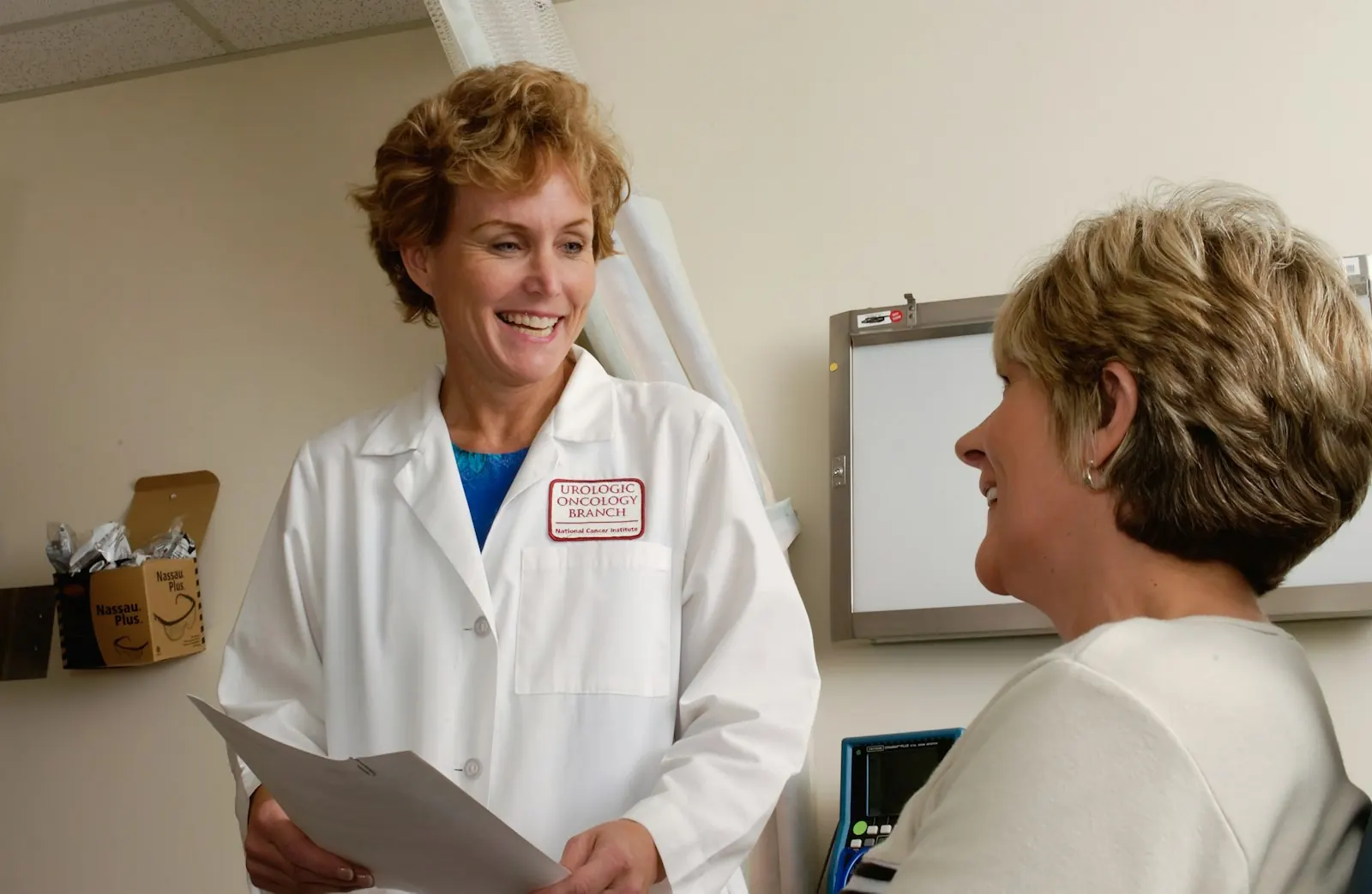
The right provider may help by telling you what a spot is, or by ruling out things you were worried about. Many people find that simply knowing brings relief, even when the answer is routine. There is no need to feel embarrassed about asking.
A visit generally starts with questions about the spot, such as how long it has been there, whether it has changed, and your history of sun exposure and any family history of skin concerns. The clinician then examines the skin and may talk about whether monitoring, a sample or another next step makes sense. Any decision is made by the clinician after the evaluation.
Questions you might bring: What do you think this spot is? Does it need a biopsy? How often should I have skin checks? Should I keep an eye on any other spots? Are there parts of my skin I can't see that should be checked? A dermatologist, primary care provider or, for some areas, a podiatrist or sexual-health provider can help. You can browse licensed providers through Providers.plus.

The whole-person view
Your body, mind and stress affect one another. Worry about a spot can be hard to carry, and it can be tempting to put off a visit or to keep checking it over and over. Sleep, stress and overall health are part of the picture of how you feel, even though they don't replace a skin exam.
If worry about your health feels heavy, body-based support such as Somatic Experiences may help some people feel more settled in their bodies, and talk therapy through Therapists.plus may help with anxiety or avoidance around medical visits. These are supportive options alongside, not instead of, care from a licensed clinician.
Somatic Experiences: nervous system regulation →Therapists.plus: anxiety panic and ocd →
Keep in mind
- A spot that is changing, bleeding, itching, irregular in shape or color, or not healing should be checked by a dermatologist for skin cancer. Do not self-treat it.
- Never cut, burn or dig out a growth at home, and do not use over-the-counter wart products on a spot that hasn't been identified. Facial and genital growths should not be treated with over-the-counter wart products.
- The ABCDEs of melanoma are a general guide only, not a way to diagnose yourself. Licensed professionals should guide care for any suspected skin cancer. For emergencies call 911; in a crisis call or text 988.
- Warts.ai is educational and does not give medical advice. Results vary, no approach is guaranteed, and skin growths can return.
Guides in this topic
Provider types
Frequently asked questions
What is the difference between a mole and a wart?
A mole is a cluster of pigment cells, while a wart is a skin growth caused by a virus. They can sometimes look similar, so a licensed clinician should examine any spot you can't identify. A changing or unusual spot should be checked by a dermatologist, not treated at home.
What is actinic keratosis?
Actinic keratosis is a rough, scaly or sandpapery patch that often appears on skin with long-term sun exposure. Because it can resemble other skin changes, including warts, it's worth having a clinician look at it. They can explain what it is and whether any follow-up makes sense.
When should I see a dermatologist about a mole?
See a dermatologist if a mole or spot is changing, bleeding, itching, irregular in shape or color, or not healing. A new spot that looks different from your others is also a good reason to book a visit. Don't wait for it to get worse before asking.
What are the ABCDEs of melanoma?
They are a general awareness guide covering asymmetry, border, color, diameter and evolving changes in a mole. They help people know what to mention to a clinician, but they are not a way to diagnose yourself. Only a licensed professional can evaluate a spot.
What happens during a full body skin exam?
A full body skin exam is a visual check of the skin from head to toe by a licensed clinician, often a dermatologist. You'll usually be asked about changes you've noticed and your sun exposure history, and you'll have a chance to point out spots that worry you. The clinician decides if anything needs further attention, such as a sample or monitoring.
Can I treat a spot at home if I think it's a wart?
It's best to have a clinician look at it first, especially if you aren't sure it's a wart. Never cut, burn or dig out a growth, and avoid over-the-counter wart products on the face or genitals. People with diabetes, poor circulation, neuropathy or a weakened immune system should ask a provider before treating warts at home, especially on the feet. For wart removal questions, a licensed provider can help you understand your options, though results vary and warts can return.
Educational resource. Warts.ai shares general information and connects people with independent providers. It is not medical advice, diagnosis or treatment. Talk with a licensed professional about your health.