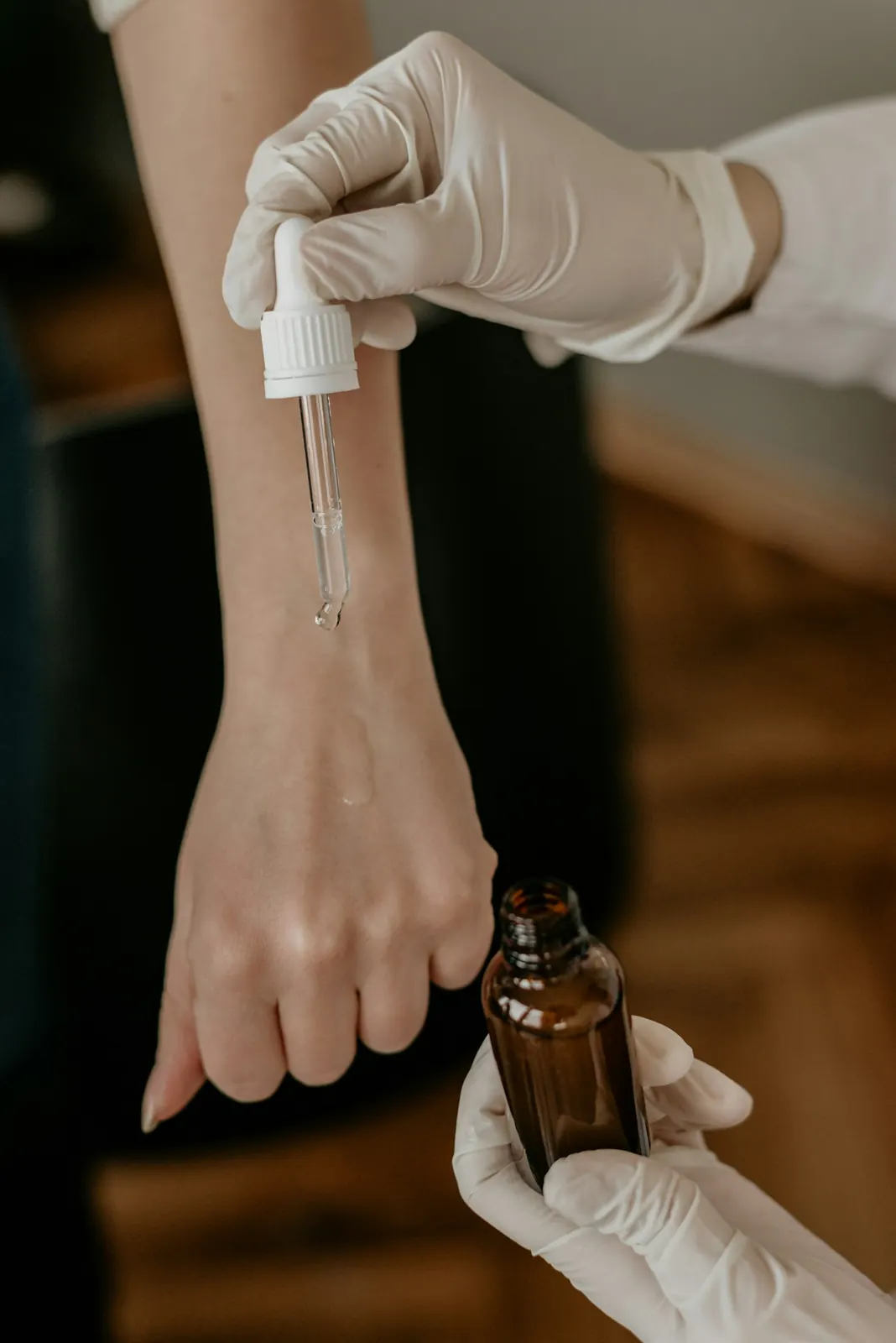
What it is
Warts are skin growths caused by human papillomavirus (HPV). They can show up on hands, feet, face, or other areas, and many people get one at some point. Having one is common, and it is nothing to be embarrassed about.
Wart removal is a general phrase for the different ways people and clinicians try to get rid of a wart. Some approaches destroy the growth, some irritate the skin so the body responds, and some aim to prompt the immune system to react. No single approach is right for everyone.
Because other skin growths can look like warts, an exam matters. A growth that is changing, bleeding, itching, irregular in shape or color, or not healing should be checked by a dermatologist for skin cancer and should not be self-treated. The ABCDEs of melanoma are only a general guide for when to get something looked at, not a way to diagnose yourself.
How it’s traditionally been approached
Cryotherapy for warts uses extreme cold, applied by a clinician, to freeze the growth. It often involves more than one visit, and the treated area may blister or feel sore afterward. Results vary, and warts can return.
Salicylic acid for warts is a common over-the-counter option that gradually softens and peels away the wart's surface layers, usually with consistent use over time. Duct tape for warts is a popular home idea, and evidence about it is mixed, so it is fair to ask a clinician what they think. People with diabetes, poor circulation, neuropathy or a weakened immune system should ask a provider before treating warts at home, especially on the feet. Over-the-counter wart products are not meant for the face or genital area, and cutting, burning or digging out a growth at home is never advised.
Clinicians may also consider cantharidin for warts, a blistering agent applied in the office. Laser wart removal, minor surgical excision, and immunotherapy (treatments meant to encourage the body's own immune response) are other options sometimes discussed, often for stubborn or widespread warts. Which are available, and their current FDA status for specific prescription products, is something to confirm with your provider. Genital warts are handled privately and without judgment by a clinician, and HPV vaccination exists, so it is worth discussing with a clinician.
How the right provider may help
The right provider, such as a dermatologist, podiatrist, primary care clinician or sexual-health provider, may start by looking at the growth to confirm what it is. A search for wart removal near me can help you find licensed providers, and Providers.plus lists licensed providers. An exam comes first, because only a licensed clinician can decide what is appropriate for you.
A visit is generally calm and brief. The clinician may ask how long the growth has been there, whether it has changed, and what you have already tried. They may talk through options based on the location, your health history, and your comfort, and they may suggest follow-up. Nothing is guaranteed, and a good provider will say so honestly.
Helpful questions to bring: What do you think this is? Should anything be checked for skin cancer? Which options might suit this location? What should I expect afterward, including discomfort and aftercare? Can this come back? Is this product or treatment currently FDA-approved for this use? Is anything about my health, such as diabetes or a weakened immune system, a reason to avoid home treatment?

The whole-person view
Body, mind and stress affect each other. Many people feel self-conscious about a wart, especially in visible or private areas, and that worry can add its own weight. Stress and overall health can also influence how the body copes day to day, so caring for sleep, rest and support is a reasonable part of a whole-person view.
If a body-based approach appeals to you, Somatic Experiences offers support focused on how stress is held in the body. If worry or embarrassment is weighing on you, Therapists.plus connects people with talk therapy. These do not replace a skin exam, but they may complement it.
Somatic Experiences: nervous system regulation →Therapists.plus: anxiety panic and ocd →
Keep in mind
- Warts.ai is educational only and does not give medical advice; a licensed clinician should examine any growth and decide what is appropriate.
- Any growth that is changing, bleeding, itching, irregular in shape or color, or not healing should be checked by a dermatologist for skin cancer and not self-treated.
- Results vary, no treatment is guaranteed to cure warts or HPV, and warts can return. Never cut, burn or dig out a wart at home, and avoid over-the-counter wart products on the face or genital area.
- For emergencies call 911; in a crisis call or text 988.
Guides in this topic
Provider types
Cryotherapy (freezing)
liquid nitrogen cryotherapy · repeat freezing sessions
Salicylic acid & topical treatments
prescription-strength topicals · guided at-home treatment plans · follow-up visits
Cantharidin (in-office blistering agent)
in-office cantharidin application · molluscum and wart treatment
Laser wart removal
pulsed-dye laser · CO2 laser · laser for stubborn warts
Excision & surgical removal
shave or snip excision · curettage and electrodesiccation · biopsy with removal
Immunotherapy for warts
topical immunotherapy · intralesional immunotherapy · options for recurrent warts
Frequently asked questions
What is the best wart removal method?
There is no single best wart removal method, because the right choice depends on the wart's location, your health, and a clinician's exam. Options include cryotherapy, salicylic acid, cantharidin, laser, excision and immunotherapy. Results vary, and warts can return, so ask a licensed clinician what fits you.
Is wart removal near me something a dermatologist handles?
Often yes, dermatologists commonly evaluate and treat warts, as do podiatrists for foot warts, and primary care or sexual-health providers for some cases. Searching for wart removal near me and choosing a licensed provider is a good start. An exam first helps confirm the growth is a wart and not something else.
How does cryotherapy for warts work?
Cryotherapy for warts uses very cold temperatures, applied by a clinician, to freeze and destroy the wart tissue. It may take more than one visit, and the area can be sore or blister afterward. Results vary, and warts can return.
Does salicylic acid for warts work?
Salicylic acid for warts is a widely used over-the-counter option that gradually peels away the wart's surface, usually with steady use over time. Results vary and it is not guaranteed. People with diabetes, poor circulation, neuropathy or a weakened immune system should ask a provider first, and it should not be used on the face or genital area.
Does duct tape for warts really work?
Evidence on duct tape for warts is mixed, and it is not a guaranteed approach. It is a low-tech home idea some people try, but ask a clinician first, particularly if you have diabetes, poor circulation, neuropathy or a weakened immune system. Have any changing, bleeding or non-healing growth checked instead of covering it.
What is cantharidin for warts?
Cantharidin for warts is a blistering agent that a clinician applies in the office. Its regulatory status for specific prescription products can change, so ask your provider about the current FDA status. Do not try to obtain or apply it yourself.
Educational resource. Warts.ai shares general information and connects people with independent providers. It is not medical advice, diagnosis or treatment. Talk with a licensed professional about your health.