What it is
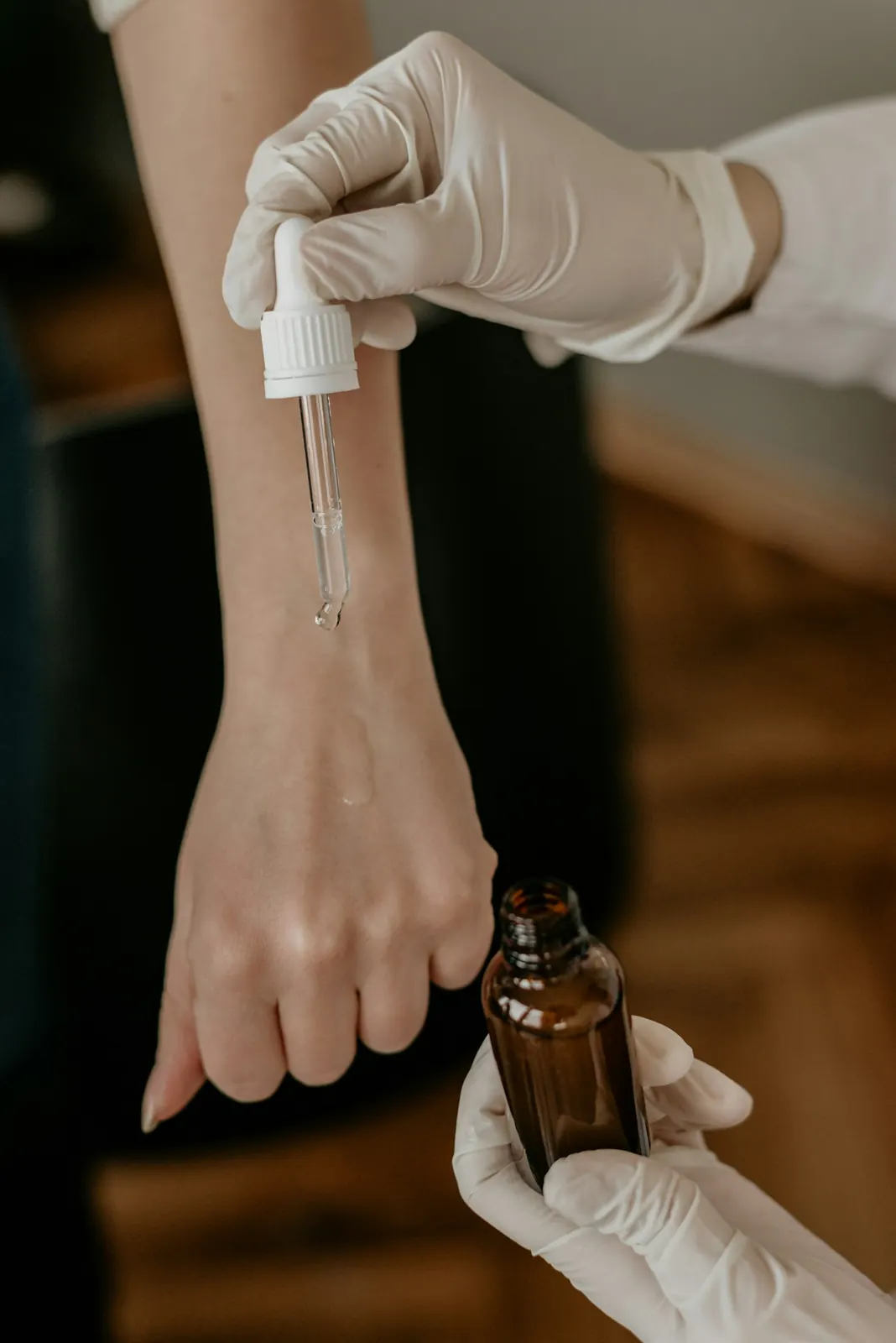
Cantharidin is a substance that causes the skin to form a blister. When a clinician applies it to a wart, the aim is for the blister to lift the wart tissue away from the skin beneath it. It is applied in a provider's office, not as a do-it-yourself product.
Cantharidin is not the same as the over-the-counter wart products sold in pharmacies. Those typically contain different ingredients and are meant for home use on certain areas. Cantharidin is handled and applied by a trained professional.
Regulatory status matters here. The FDA status of specific cantharidin formulations can differ and can change over time, so it's worth asking your provider about the current status of whatever product they use and why they chose it.
How it’s traditionally been approached
Clinicians have traditionally considered cantharidin as one option among many, alongside freezing (cryotherapy), salicylic acid and other topical treatments, laser, minor surgical removal, and immunotherapy. Which option a provider suggests depends on the person, the location of the growth, and their medical history.
It has often been discussed as an option for people who may find other in-office approaches uncomfortable, including some children. Whether it suits any individual is something only a clinician can decide after an evaluation.
Results vary from person to person. Warts can return after any approach, and more than one visit is sometimes discussed. Your provider can explain what they expect for your situation without making promises.
How the right provider may help
The right provider, such as a dermatologist, podiatrist, primary care clinician or sexual-health provider, may first look at the growth to confirm what it is. This matters because some growths that look like warts are something else, and only a licensed clinician can tell the difference.
A visit generally includes questions about how long the growth has been there, whether it has changed, your health history and any treatments you've already tried. Be sure to mention diabetes, poor circulation, neuropathy, a weakened immune system, pregnancy, allergies or skin sensitivities. If you are comfortable, you can also share any embarrassment. Providers see warts often and are used to these conversations.
Good questions to ask include: Is cantharidin appropriate for me or my child, and why or why not? What is the current FDA status of the product you use? What might I notice afterward, and when should I call you? What other options exist, and what are the tradeoffs? How should I care for the area, and what might I do if the wart returns?

The whole-person view
Body, mind and stress affect each other. Visible skin concerns can bring self-consciousness or worry, and stress and overall health can shape how people feel day to day. Looking at the whole person, not just the skin, can make the experience feel less isolating.
If worry or embarrassment is weighing on you, body-based support such as that listed through Somatic Experiences may be one avenue to explore, and talk therapy through Therapists.plus may be another. These are optional supports that sit alongside, not in place of, care from a licensed clinician.
Somatic Experiences: nervous system regulation →Therapists.plus: anxiety panic and ocd →
Keep in mind
- Only a licensed clinician can decide whether cantharidin or any other option is appropriate, after an exam. Do not try to cut, burn or dig out a growth at home.
- A growth that is changing, bleeding, itching, irregular in shape or color, or not healing should be checked by a dermatologist for skin cancer and should not be self-treated. The ABCDEs of melanoma are a general awareness guide only, not a way to diagnose yourself.
- Over-the-counter wart products should not be used on the face or genital area. People with diabetes, poor circulation, neuropathy or a weakened immune system should ask a provider before treating warts at home, especially on the feet.
- Warts.ai is not medical advice. For emergencies call 911; in a crisis call or text 988.
Not sure where to start? Answer a few gentle questions and choose who you’d like to hear from.
Frequently asked questions
What is cantharidin for warts?
Cantharidin for warts is a blistering agent that a licensed clinician applies in the office. The idea is that it forms a blister that lifts the wart from the skin below. It is not a home remedy, and a provider decides whether it fits your situation.
Does cantharidin cure warts?
No treatment can be promised to cure warts or HPV. Results vary from person to person, and warts can come back after any approach. A provider can talk with you about what to realistically expect.
Is cantharidin FDA approved?
The FDA status of specific cantharidin formulations can differ and can change over time, so it is best to ask your provider directly. They can tell you which product they use and what its current regulatory status is.
Can I buy cantharidin for warts to use at home?
Cantharidin is meant to be applied by a trained clinician, not used at home. Because it affects the skin strongly, ask a provider rather than seeking out products on your own. Safer starting points are a visit to a dermatologist, podiatrist or primary care provider.
Is cantharidin used for children's warts?
Providers have traditionally discussed it as one option for some children, but only a clinician can decide if it is appropriate after an exam. Parents can ask about comfort, aftercare and other options. Never treat a child's growth at home without guidance.
What should I do if a wart looks unusual?
Have it checked by a dermatologist. A growth that is changing, bleeding, itching, irregular in shape or color, or not healing should be evaluated for skin cancer and not self-treated. Only a licensed clinician can tell what a growth is.
Educational resource. Warts.ai shares general information and connects people with independent providers. It is not medical advice, diagnosis or treatment. Talk with a licensed professional about your health.