What it is
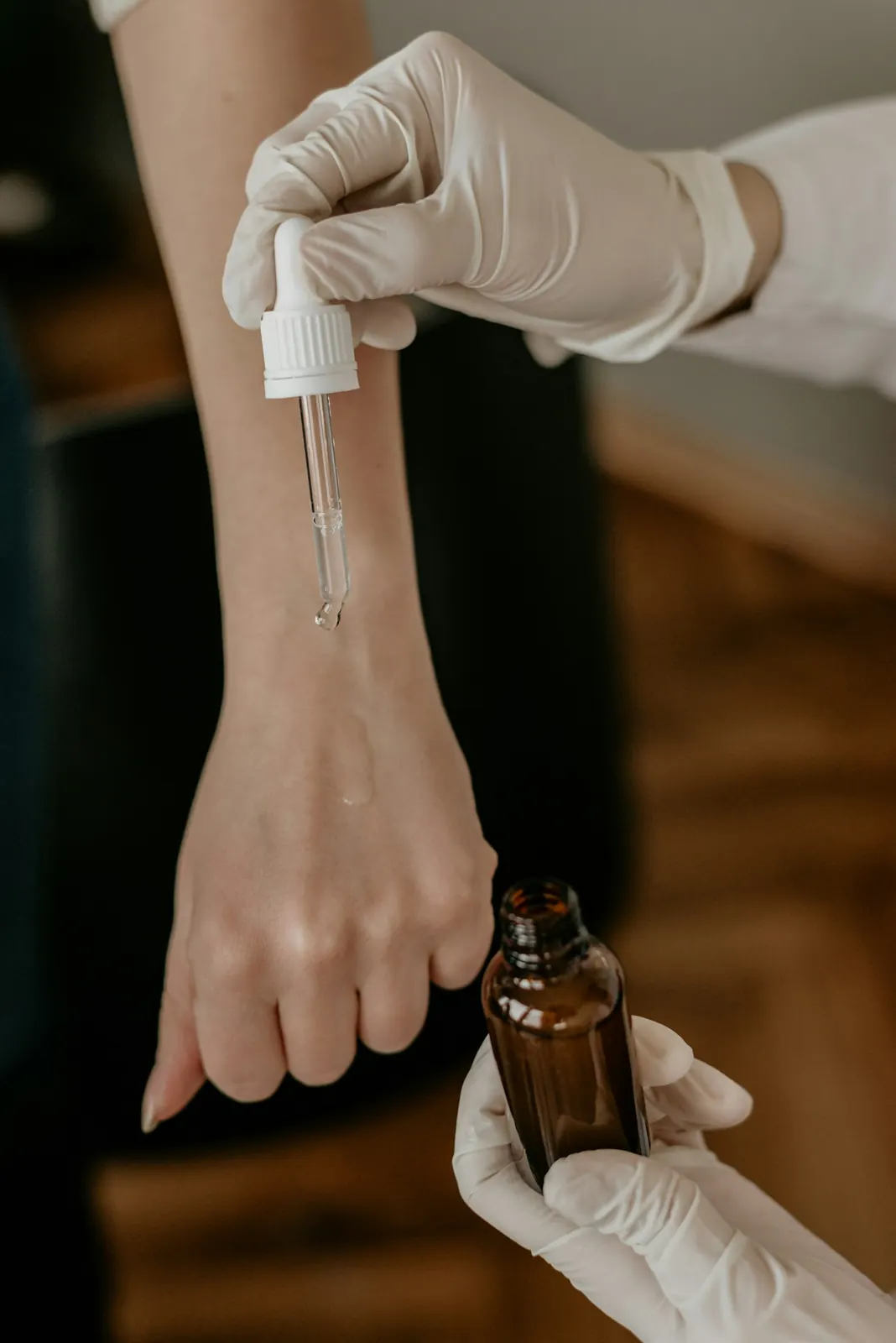
Salicylic acid is a keratolytic ingredient, which means it helps break down and loosen the hard, thickened outer layer of skin. In wart care, it is sold in liquids, gels, pads and medicated patches or discs, typically for warts on the hands and feet.
Warts are skin growths caused by a virus in the human papillomavirus (HPV) family. They are very common, usually harmless, and nothing to be embarrassed about. Salicylic acid does not treat the virus itself; it works on the surface of the growth.
No treatment is guaranteed to cure warts or HPV or to prevent them from coming back. Whether salicylic acid is a reasonable fit for a particular growth is something a licensed clinician can help decide after an exam.
How it’s traditionally been approached
Salicylic acid has long been a first-step, at-home approach for common warts and plantar warts (on the soles of the feet). People have usually used it in a regular routine over a period of time, often along with gently smoothing the dead surface skin, following the directions on the product label.
Many people choose it because it is easy to find in pharmacies and can be used in private. Others prefer in-office options such as freezing (cryotherapy), in-office blistering agents, laser, minor surgical removal, or immunotherapy, which a provider may discuss when a wart is stubborn, painful or widespread.
Over-the-counter wart products are not meant for every area. They should not be used on the face or on the genitals, where skin is more delicate and a provider should guide care. And no one should cut, burn or dig out a growth at home.
How the right provider may help
A visit with a dermatologist, podiatrist, primary care clinician or sexual-health provider generally starts with a conversation and a close look at the growth. The provider can confirm whether it is actually a wart, since other skin conditions, including skin cancer, can sometimes look similar.
Depending on the findings, a provider may talk through topical options like salicylic acid, in-office approaches, or simply watching and waiting. They may also help you use a product safely. Any choice is individualized, and outcomes cannot be promised.
Helpful questions to ask: Is this definitely a wart? Is salicylic acid appropriate for this spot and my health history? What should I watch for while using it? When should I come back? How can I lower the chance of spreading it to others or to other parts of my body? Is HPV vaccination something I should discuss?

The whole-person view
Body, mind and stress affect each other. Visible skin concerns can bring self-consciousness, frustration or worry, and stress and overall health can also play a role in how the body copes day to day. Taking a whole-person view means caring for the skin while also being kind to yourself.
If a skin concern is weighing on you, body-based support such as Somatic Experiences may help some people feel more settled in their bodies, and talk therapy through Therapists.plus may help with worry or self-image. These are complements to, not replacements for, a medical evaluation.
Somatic Experiences: nervous system regulation →Therapists.plus: anxiety panic and ocd →
Keep in mind
- Anyone with diabetes, poor circulation, neuropathy or a weakened immune system should ask a provider before treating warts at home, especially on the feet.
- A spot or growth that is changing, bleeding, itching, irregular in shape or color, or not healing should be checked by a dermatologist for skin cancer, and should not be self-treated. The ABCDEs of melanoma are only a general guide, not a way to diagnose yourself.
- Do not use over-the-counter wart products on the face or genitals, and never cut, burn or dig out a growth at home. Results vary, and warts can return.
- Licensed professionals should guide your care. For emergencies call 911; in a crisis call or text 988.
Not sure where to start? Answer a few gentle questions and choose who you’d like to hear from.
Frequently asked questions
Does salicylic acid for warts work?
Salicylic acid is a widely used over-the-counter option, and many people try it for common warts, but results vary and no treatment is guaranteed. It softens the wart's surface rather than treating the virus, and warts can return. A provider can tell you whether it makes sense for you.
How does salicylic acid remove warts?
It helps loosen and peel away the thickened skin of the wart over time. Product directions differ, so follow the label and ask a provider if you are unsure. It is not a guaranteed way to remove a wart.
Can I use salicylic acid for warts on my face or genitals?
No, over-the-counter wart products are not meant for the face or genital area. The skin there is delicate, and a provider should evaluate and guide any care. Private concerns are routine for clinicians, and there is no need to feel embarrassed.
Is salicylic acid safe if I have diabetes?
People with diabetes, poor circulation, neuropathy or a weakened immune system should ask a provider before treating warts at home, especially on the feet. Reduced sensation or healing can make skin irritation harder to notice. A clinician can advise on safer options.
When should I see a provider instead of treating a wart at home?
See a provider if you are unsure the growth is a wart, or if it is painful, spreading, or not improving. Also seek a dermatologist's check for any growth that is changing, bleeding, itching, irregular in shape or color, or not healing, as it could be something other than a wart.
What are other options for wart removal besides salicylic acid?
Providers may discuss freezing (cryotherapy), in-office blistering agents, laser, surgical removal or immunotherapy, depending on the situation. Ask your provider about the current regulatory status of any prescription product. Which option fits is a decision for a licensed clinician after an exam.
Educational resource. Warts.ai shares general information and connects people with independent providers. It is not medical advice, diagnosis or treatment. Talk with a licensed professional about your health.