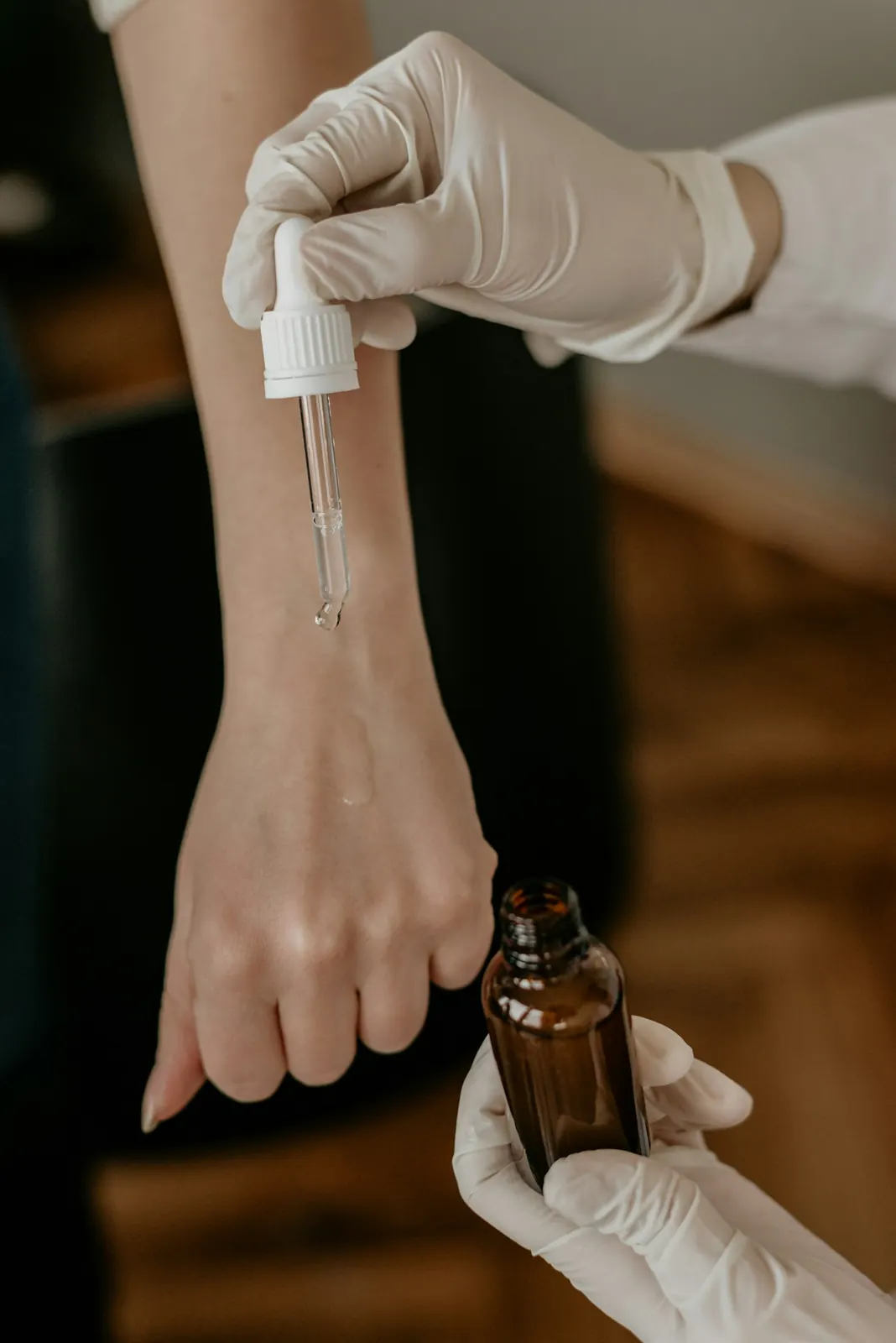
What it is
Laser wart removal means a trained clinician uses a medical laser to treat wart tissue on the skin. Different laser types exist, and a provider chooses what fits the situation, if a laser is appropriate at all. It is done in a clinical setting, not at home.
Warts are skin growths caused by common viruses in the HPV family. Many are harmless, but a spot that looks like a wart is not always one. That is why an exam by a dermatologist, podiatrist or primary care clinician comes first.
Laser treatment is one of several options in the wart removal world. Others include freezing, topical medicines, in-office blistering agents, minor surgical removal and immune-based approaches. Results vary from person to person, and warts can return after any approach.
How it’s traditionally been approached
Lasers have traditionally been considered by some clinicians for warts that have not responded to other approaches, or for warts in spots where other options are less convenient. Not every clinic offers laser treatment, and not every wart is a good fit.
Many people start with simpler, more familiar options, such as over-the-counter salicylic acid products or in-office freezing. Clinicians often talk through these steps with patients and may move to another approach if a first one is not working.
Because lasers are medical devices used by licensed professionals, the specifics of the equipment, comfort measures and aftercare are decided by the clinician. If you have questions about the regulatory status of a particular device or treatment, ask your provider.
How the right provider may help
The right provider may start by looking closely at the spot, asking about your health history, and confirming what it is. This matters because a growth that is changing, bleeding, itching, irregular in shape or color, or not healing should be checked by a dermatologist for skin cancer. Please do not self-treat a spot like that.
A visit may also include a conversation about options, including whether laser is a reasonable choice for you, what the experience might be like, how the area is cared for afterward, and what to expect while healing. A good provider will explain things plainly and answer your questions without judgment.
Questions you might bring: Is this definitely a wart? Which options might suit my situation? Is laser treatment offered here, and by whom? What are the possible risks and side effects? What should I do if it comes back? Please ask about any medical device or product's current regulatory status too. Providers.plus lists licensed providers if you are looking for someone to talk with.

The whole-person view
Body, mind and stress affect one another. Many people feel self-conscious about a wart, and that worry can linger even when the skin issue is minor. Stress and overall health can also play a part in how the body feels day to day, so caring for sleep, rest and routine may be part of a whole-person approach alongside medical care.
If embarrassment or worry is weighing on you, support exists. Somatic Experiences offers body-based support for stress, and Therapists.plus connects people with talk therapy. These do not treat warts, but they may help with the feelings that can come with them.
Somatic Experiences: nervous system regulation →Therapists.plus: anxiety panic and ocd →
Keep in mind
- Only a licensed clinician can decide whether laser treatment is appropriate for you after an exam; this page is educational and is not medical advice.
- Any growth that is changing, bleeding, itching, irregular in shape or color, or not healing should be checked by a dermatologist for skin cancer, and should not be treated at home.
- No treatment is guaranteed to remove a wart or cure HPV, results vary, and warts can come back. Never cut, burn or dig out a growth yourself.
- If you have diabetes, poor circulation, neuropathy or a weakened immune system, ask a provider before treating warts, especially on the feet. For emergencies call 911; in a crisis call or text 988.
Not sure where to start? Answer a few gentle questions and choose who you’d like to hear from.
Frequently asked questions
What is laser wart removal?
Laser wart removal is an in-office procedure in which a licensed clinician uses a medical laser to treat a wart. It is one of several options, and only a clinician can decide whether it suits you after an exam. Results vary and warts can return.
Does laser wart removal hurt?
Comfort varies by person, the location of the wart and the type of treatment used. Clinicians often discuss comfort measures beforehand. Ask your provider what you might expect and how they would manage it.
Is laser wart removal a guaranteed cure?
No. No wart treatment can guarantee removal or prevent warts from coming back, and none cures HPV. Your clinician can talk with you about what to expect and what to do if a wart returns.
Can I do laser wart removal at home?
No. Laser treatment is for trained, licensed clinicians in a clinical setting. Home devices and cutting, burning or digging at a growth are not advised. If you want to try over-the-counter options for a common wart, ask a provider first, especially if you have diabetes, poor circulation, neuropathy or a weakened immune system.
Who performs laser wart removal?
It is typically offered by licensed clinicians such as dermatologists and some podiatrists, though availability varies by clinic. Start with an exam from a dermatologist, podiatrist, primary care or sexual-health provider, and ask whether they offer it or can refer you.
Should I get a spot checked before considering wart removal?
Yes. A growth that is changing, bleeding, itching, irregular in shape or color, or not healing should be checked by a dermatologist for skin cancer. Do not assume it is a wart or treat it yourself. Genital and facial warts should also be seen by a clinician rather than treated with over-the-counter wart products.
Educational resource. Warts.ai shares general information and connects people with independent providers. It is not medical advice, diagnosis or treatment. Talk with a licensed professional about your health.