What it is
Actinic keratosis (often shortened to AK) is a type of skin change linked to long-term sun exposure. It usually shows up as a dry, rough, or scaly patch on areas that get a lot of sun, such as the face, ears, scalp, lips, backs of the hands, and forearms. Some people notice them by touch before they see them.
These patches can look different from person to person. They may be flat or slightly raised, and they can be skin-colored, pink, red, or brown. Because many skin conditions look alike, including some that people mistake for warts, you cannot reliably tell what a spot is just by looking at it.
Clinicians pay attention to actinic keratosis because it reflects sun-damaged skin, and because some patches can look similar to, or be found alongside, skin cancer. That is why a professional exam matters more than guessing at home.
How it’s traditionally been approached
Traditionally, the first step has been a visual skin exam by a licensed clinician, most often a dermatologist. The clinician looks closely at the patch, may use a handheld magnifying device, and may ask about sun history, how long the spot has been there, and whether it has changed.
If a spot looks unusual or the clinician wants more information, a small skin sample (a biopsy) may be taken and looked at under a microscope. This is a decision the clinician makes after an exam, not something a reader can determine in advance.
Approaches that clinicians have used over time include monitoring, in-office procedures, and prescription topical products, among others. Which option, if any, fits a person is decided by a licensed clinician after an evaluation. Results vary, and new sun-damaged patches can appear over time. Regulatory status of specific prescription products can change, so it is reasonable to ask a provider about current FDA status.
How the right provider may help
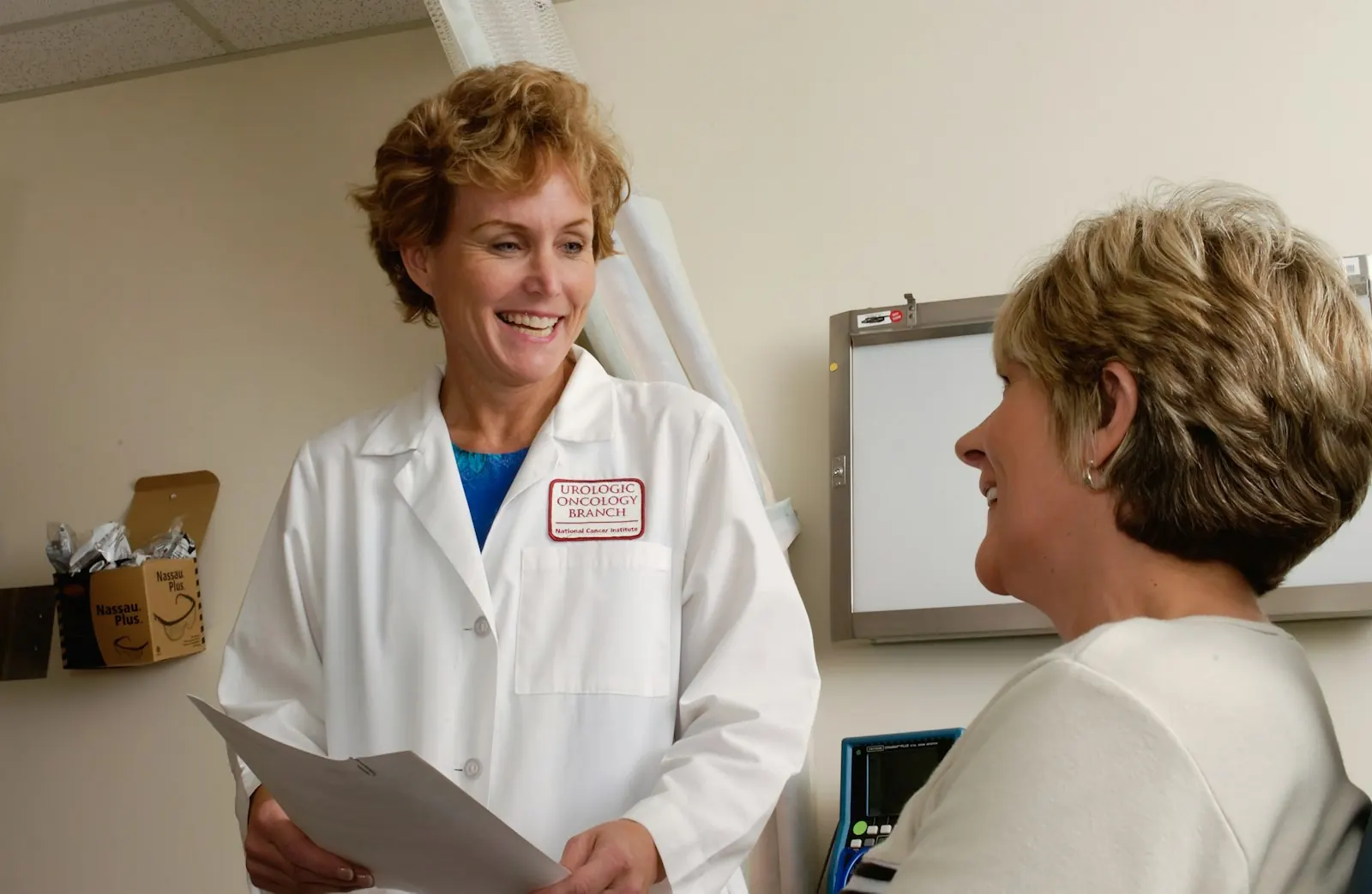
The right provider may help by examining the spot, explaining what they see in plain language, and telling you whether anything needs further testing. A visit is generally a conversation plus a skin check, and many people find it quicker and less stressful than they expected.
Helpful questions to ask include: What do you think this spot is? Does it need a biopsy? Should other areas of my skin be checked? How often should I have skin checks? What are my options, and what are the possible downsides of each?
You can also ask about sun protection habits that fit your lifestyle and about what changes to watch for between visits. A provider may offer guidance, but no approach can promise a particular outcome. If you have diabetes, a weakened immune system, or take medicines that affect your skin, mention that at your visit.

The whole-person view
Body, mind, and stress influence one another. Worry about a skin spot can be real and distracting, and long stretches of stress can affect sleep, habits, and how well we take care of ourselves, including sun protection and keeping appointments.
Some people find that body-based support such as Somatic Experiences helps them feel calmer in their bodies, and others value talk therapy through Therapists.plus when health worries feel overwhelming. These are optional supports that sit alongside, not in place of, a skin exam by a licensed clinician.
Somatic Experiences: nervous system regulation →Therapists.plus: anxiety panic and ocd →
Keep in mind
- A spot that is changing, bleeding, itching, irregular in shape or color, or not healing should be checked by a dermatologist for skin cancer; do not self-treat it.
- The ABCDEs of melanoma (asymmetry, border, color, diameter, evolving) are only a general guide to why checks matter, not a way to diagnose yourself.
- Never cut, burn, scrape, or dig out a growth at home, and do not use over-the-counter wart products on a rough patch, especially on the face, since it may not be a wart.
- Licensed professionals should guide care. For emergencies call 911; if you are in emotional crisis call or text 988.
Not sure where to start? Answer a few gentle questions and choose who you’d like to hear from.
Keep exploring
Moles, actinic keratosis & skin cancer checks
Frequently asked questions
What is actinic keratosis?
Actinic keratosis is a rough, scaly patch of skin that develops after long-term sun exposure. It most often appears on the face, ears, scalp, lips, hands, and forearms. A licensed clinician can examine it and explain what it is.
Is actinic keratosis the same as skin cancer?
No, actinic keratosis is not the same thing as skin cancer, but it is a sign of sun-damaged skin and can look similar to some skin cancers. Because spots can be hard to tell apart by eye, a dermatologist should examine them. Any spot that changes, bleeds, itches, or does not heal should be checked.
Is actinic keratosis a wart?
No, actinic keratosis is caused by sun damage, while warts are caused by a virus. They can look somewhat alike, which is why self-diagnosing is unreliable. Do not treat a rough patch with over-the-counter wart products before it has been examined.
How is actinic keratosis diagnosed?
A licensed clinician, usually a dermatologist, typically diagnoses it with a visual skin exam. If a spot looks unusual, they may take a small sample for a biopsy. The clinician decides what is needed after the evaluation.
Can actinic keratosis go away on its own or come back?
Some patches may change over time, and new ones can appear, especially with continued sun exposure. Results from any approach vary, and nothing can guarantee a spot will not return. Because you cannot know what a spot is on your own, have it checked rather than waiting.
What kind of doctor should I see for actinic keratosis?
A dermatologist is the usual choice for examining a suspicious or rough skin patch. A primary care clinician can also take a first look and may refer you. You can browse providers who offer moles and skin cancer screening or actinic keratosis (sun damage) care through Providers.plus.
Educational resource. Warts.ai shares general information and connects people with independent providers. It is not medical advice, diagnosis or treatment. Talk with a licensed professional about your health.