What it is
A skin tag is generally a small, soft, skin-colored or slightly darker flap that hangs from the skin on a thin stalk. Skin tags often show up where skin rubs against skin or clothing, such as the neck, underarms or skin folds. They are widely considered harmless, but that is something a clinician should confirm for you.
A wart is a skin growth caused by a virus (human papillomavirus, or HPV). Warts often have a rougher or grainy surface and can appear on the hands, feet, face or other areas. Some are flat and some are raised. Warts can spread from one spot to another and may come back after they go away.
A third growth that is often confused with both is seborrheic keratosis, which tends to look waxy, tan to brown, and a bit 'stuck on' to the skin. Moles and other spots can also resemble these growths. Because looks can be misleading, comparing photos online is not a reliable way to know what a growth is. Please do not try to diagnose yourself.
How it’s traditionally been approached
Skin tags have traditionally been left alone when they are not bothersome. When people do want one addressed, a clinician may remove it in an office setting, using approaches such as snipping, freezing or other methods. Which option is appropriate is a decision for a licensed clinician after an exam.
Warts have traditionally been approached in several ways. Some people use over-the-counter wart products, some see a clinician for in-office options such as freezing or prescription treatments, and some wait to see whether the wart fades on its own. Results vary, and warts can return no matter which route is chosen.
Home care calls for caution. People with diabetes, poor circulation, neuropathy or a weakened immune system should ask a provider before treating warts at home, especially on the feet. Cutting, burning or digging out any growth at home is not advised, and over-the-counter wart products are not meant for the face or genital area.
How the right provider may help
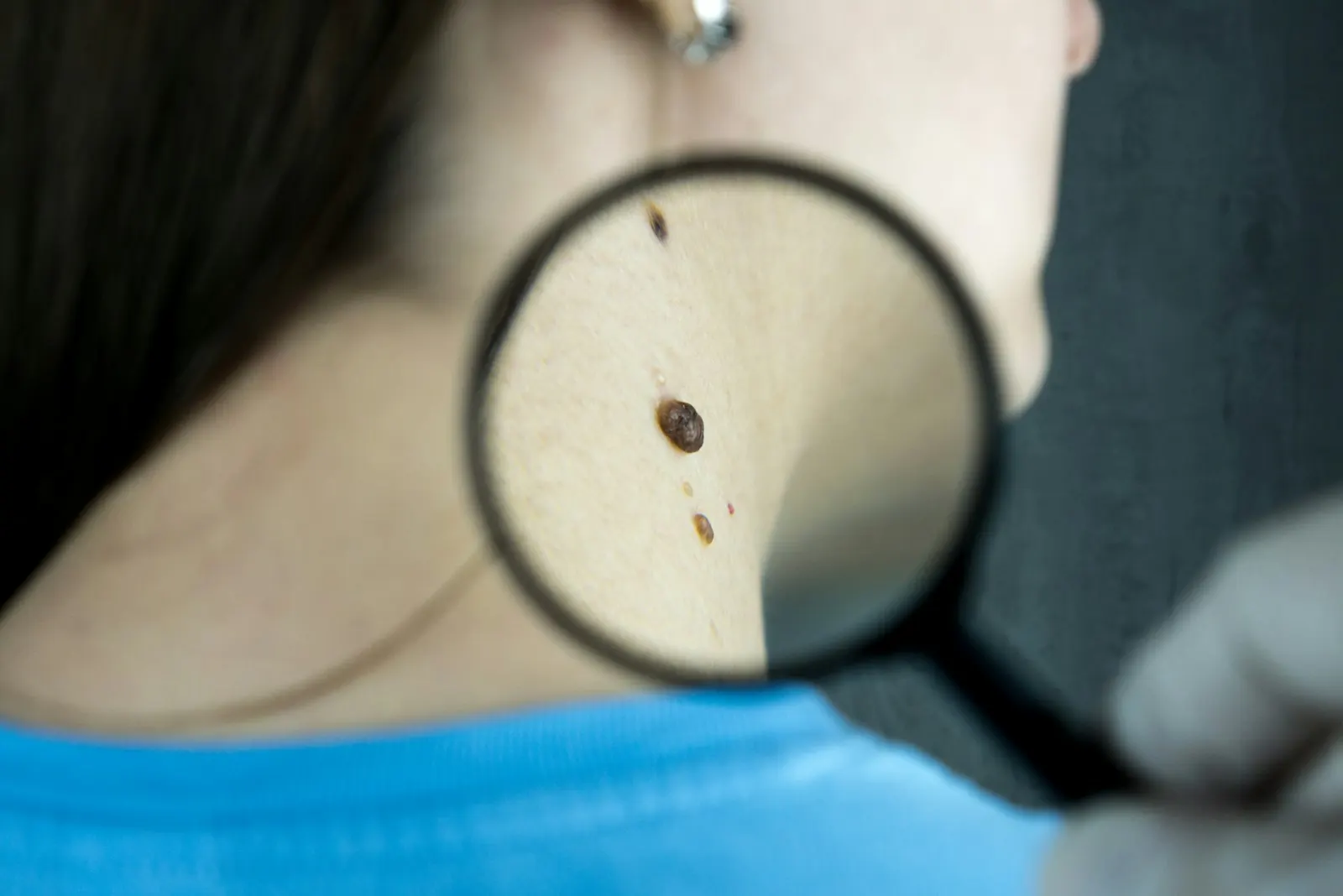
The right provider, such as a dermatologist, podiatrist or primary care clinician, may be able to look at your growth, ask about when it appeared and whether it has changed, and help work out what it is. A visit is generally a conversation plus a close look at the skin, and sometimes a tool for magnifying it. In some cases a clinician may recommend sampling or testing a growth, but that is their call.
If a growth turns out to be a skin tag, a wart or another benign spot, a provider may talk through whether leaving it alone or removing it makes sense for you. They can explain the options, what recovery is generally like, and that results vary and growths can come back. Nothing is guaranteed, and the decision is shared between you and your clinician.
Helpful questions to bring: What do you think this growth is? Does it need any testing? What are my options, including doing nothing? What are the risks and what should I watch for afterward? Are any products or treatments I am considering appropriate for my skin and health history? Ask about the current FDA status of any prescription product being discussed.

The whole-person view
Skin concerns are rarely only about skin. A growth you can see, especially on the face, neck or private areas, can bring self-consciousness, worry or embarrassment, and stress can in turn make us more tense and more focused on our bodies. Body, mind and daily stress all influence one another, and it is completely normal to feel uneasy about something new on your skin.
If worry about your appearance or your health feels heavy, support exists. Somatic Experiences offers body-based approaches that some people find helpful for stress held in the body, and Therapists.plus connects people with talk therapy providers. Neither replaces a medical exam, but they may be useful alongside one.
Somatic Experiences: nervous system regulation →Therapists.plus: anxiety panic and ocd →
Keep in mind
- A growth that is changing, bleeding, itching, irregular in shape or color, or not healing should be checked by a dermatologist for skin cancer, and should not be self-treated.
- The ABCDEs of melanoma (asymmetry, border, color, diameter, evolving) are only a general guide to why checks matter, not a way to diagnose yourself.
- Only a licensed clinician can say whether a growth is a skin tag, wart or something else, and which approach, if any, is appropriate. Warts can return, and no approach guarantees removal.
- For emergencies call 911; in a crisis call or text 988. Warts.ai is educational only and is not medical advice.
Not sure where to start? Answer a few gentle questions and choose who you’d like to hear from.
Frequently asked questions
What is the difference between a skin tag vs wart?
A skin tag is usually a soft flap of skin on a small stalk, while a wart is a virus-related growth that is often rougher and can spread. Because other growths can look similar, a licensed clinician should examine anything you are unsure about.
Can I tell a skin tag from a wart by looking at it?
Not reliably. Many growths look alike, including seborrheic keratosis, moles and some skin cancers. A dermatologist or other licensed clinician can examine the growth and tell you what it is.
Are skin tags contagious like warts?
Skin tags are generally not considered contagious, while warts are caused by a virus and can spread between skin areas or people. A clinician can tell you which one you have and how to reduce spread.
Should I remove a skin tag or wart at home?
It is best not to cut, burn or dig out any growth at home, since this can cause bleeding, infection or scarring and may hide something that needs a check. Over-the-counter wart products exist for some common warts, but people with diabetes, poor circulation, neuropathy or a weakened immune system should ask a provider first, and these products should not be used on the face or genitals.
When should I see a doctor about a growth on my skin?
See a dermatologist or other licensed clinician if a growth is changing, bleeding, itching, irregular in shape or color, or not healing, or if you are simply unsure what it is. Do not self-treat these growths, as they may need to be checked for skin cancer.
Can a skin tag turn into a wart?
Skin tags and warts are generally understood to be different kinds of growths, so one does not simply become the other. If a growth changes or you are unsure what it is, have a clinician take a look.
Educational resource. Warts.ai shares general information and connects people with independent providers. It is not medical advice, diagnosis or treatment. Talk with a licensed professional about your health.